When I plan a deep plane facelift for different ethnicities, I start from one simple belief: no two faces age the same way, so no two faces should be treated with the same template. Skin behaves differently from person to person, fat sits in different places, and the features that make someone recognizable are tied closely to their heritage. A thoughtful facelift should soften the years without erasing any of that.
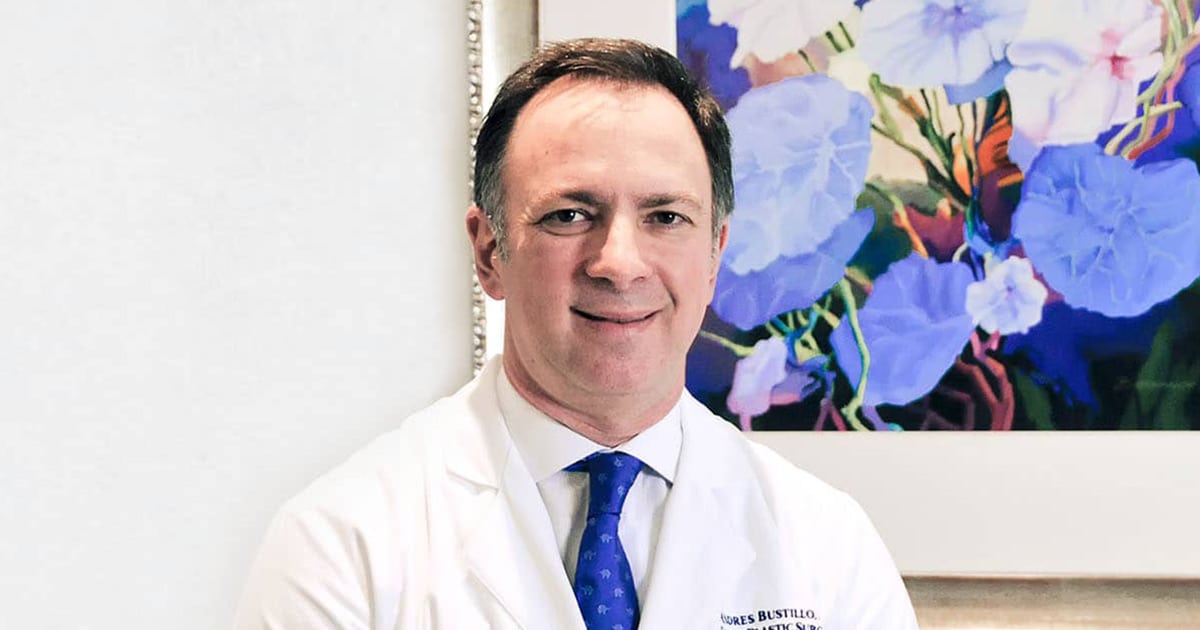
I am Dr. Andres Bustillo, a double board-certified facial plastic surgeon in Miami, Florida. I have focused only on the face, head, and neck for more than 20 years, and I have performed deep plane facelift surgery for over 15 of them. In a city as diverse as Miami, I regularly treat patients from many ethnic backgrounds, and that experience has shaped how carefully I plan each case.

Key Takeaways on Ethnic Facelift Surgery for African American, Asian, and Latino Patients
- A deep plane facelift is not a single procedure applied the same way to everyone.
- Skin type, thickness, and healing history change how I design the surgery.
- Preserving facial characteristics and cultural identity is part of the plan, not an afterthought.
- The lift direction and hairline approach are adjusted to fit your facial anatomy.
- A detailed consultation is where the right plan for your face comes together.
Why Facelift Planning Should Not Be One-Size-Fits-All
Most people picture a facelift as a single technique that simply tightens skin. The reality is more nuanced. Aging shows up differently depending on bone structure, skin quality, and where fat tends to gather and fall. A plan that flatters one face can flatten another.
When I see Caucasian patients, Asian patients, Hispanic patients, Latino patients, and African American patients, I am not following separate rulebooks. I am reading the same map with different terrain. The goal of the deep plane surgical procedure stays constant, which is to reposition the deeper tissues for a natural, lasting result. What changes is how I get there. Treating every face the same way is how results start to look generic, and that is the opposite of what good cosmetic surgery should do. In my experience, facial plastic surgery works best when it adapts to the person, not the other way around.
How Plastic Surgery Preserves Ethnic Features During Facial Rejuvenation
The features that signal someone’s heritage, such as the shape of the cheeks, the fullness of the midface, or the contour of the jawline, are part of who they are. My job in cosmetic surgery is to make a patient look rested and younger, not to nudge their appearance toward someone else’s standard of beauty.
This is where listening matters as much as operating. During the consultation, I ask what bothers a patient and, just as importantly, what they want to keep. Protecting cultural identity is a real surgical decision. It influences how much I lift, where I place tension, and how I balance the face so the final result still reads as them.
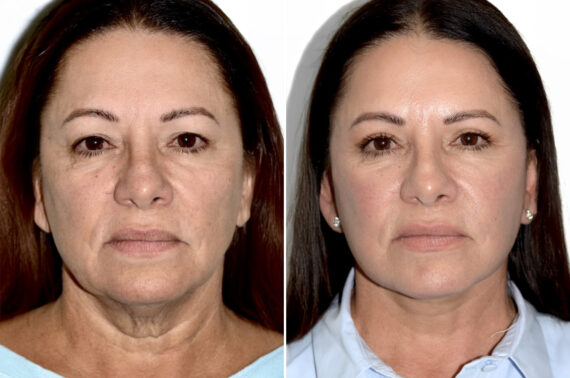
Factors That Shape Ethnic Facelift Planning
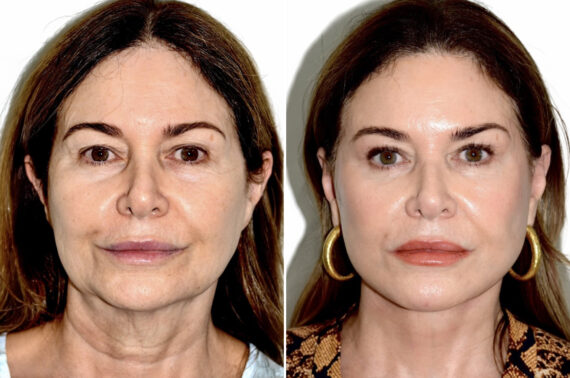
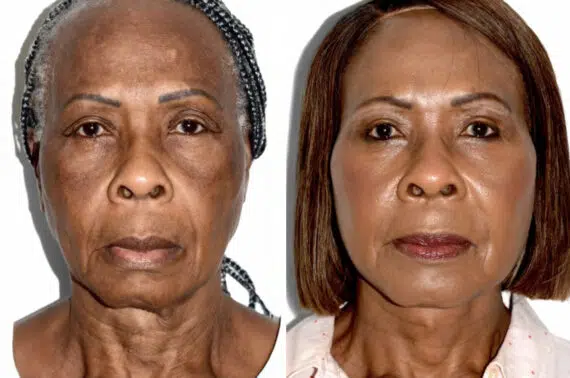
Several variables guide how I tailor a deep plane facelift across different ethnic groups. None of them work in isolation. I weigh them together to build a plan that fits one specific face.
How Skin Thickness Affects the Surgical Plan
Skin thickness has a real effect on technique and outcome. Thicker skin, which is common across many ethnic backgrounds, holds volume well and tends to resist fine wrinkling, but it can also carry more weight on the deeper structures. Thinner skin shows surface detail sooner and can reveal underlying work if the lift is too aggressive.
For patients with thicker skin, I rely on the deep plane approach to do the heavy lifting at the structural level rather than pulling at the surface. That keeps the result soft and avoids a tight look.
Scar Risk, Pigmentation, and Healing History
Healing varies from person to person, and skin tone is part of that conversation. Patients with more melanin in their skin can be more prone to raised scars or changes in pigment along incision lines. I take a careful personal and family healing history before surgery so we can plan around it.
Incision placement, gentle handling of the tissue, and a clear aftercare plan all help reduce visible scarring and lower the chance of complications. When there is a known tendency toward thicker scars, I adjust technique and follow-up accordingly.
Hairline, Sideburn, and Beard Planning
Incisions for a facelift live near the hairline, sideburn, and, for some patients, the beard. Hair density and growth patterns differ widely, so I design these incisions to protect the natural hairline rather than push it back or thin it out. For male patients, I plan around beard-bearing skin so it is not pulled into an unnatural position near the ear.
Cheek Descent, Jowls, and Neck Aging
The midface, jowls, and neck do not age on the same schedule for everyone. Some faces show early cheek descent while the neck stays smooth. Others develop jowls and neck laxity first. Because the deep plane technique repositions the cheek fat pad and supports the neck at the same time, I can dial in how much correction each zone needs instead of treating the face as one flat surface.
Lift Direction and Facial Proportions
The direction I lift the tissues changes the final proportions of the face. Pulling too far in one vector can widen or narrow a face in ways that fight against its natural balance. I choose a lift direction that respects existing facial proportions, so the cheeks, jawline, and neck improve together while the overall shape still belongs to the patient.
When to Combine a Deep Plane Facelift With Other Cosmetic Surgery Procedures
A facelift addresses the lower face and neck, but aging doesn’t always stay inside those lines. Some patients see the most harmonious results when a deep plane facelift is paired with other facelift procedures or facial treatments.
Common pairings I consider include eyelid surgery to refresh tired eyes and fat transfer to restore volume where the face has thinned. The benefits of combining procedures, when it is appropriate, include a more balanced result and a single recovery period rather than several. I only recommend additional surgical treatments when they genuinely serve the patient’s goals and safety.
Questions about your procedure?
Schedule a consultation with Dr. Andres Bustillo.
How Dr. Bustillo Plans a Deep Plane Facelift in Miami
My planning starts long before the operating room. At the consultation, I examine how much of the aging is coming from loose skin versus deeper laxity in the SMAS and the retaining ligaments. I look at skin quality, healing history, hairline, and facial proportions, and I talk through what each patient wants to preserve.
From there, I map how lifting the midface and neck together would change the profile, and I explain why the deep plane technique is the right level of correction for that particular face. Every plan is built around individual facial anatomy and goals, never a generic formula. After more than 15 years of experience performing this plastic surgery in my AAAASF-certified Miami facility, I have learned that the quiet planning is what makes the visible result look effortless.
Schedule a Consultation With Dr. Bustillo
Call my Miami office at 305-663-3380 and schedule your consultation to discuss your facial anatomy, treatment goals, and what the deep plane approach could realistically achieve for you.
Frequently Asked Questions
Yes. The entire point of my approach is to keep your facial characteristics intact. A deep plane facelift repositions the deeper tissues so you look rested and younger, while your expressions and the features tied to your cultural identity stay recognizably yours.
Pay attention to the consultation. The right plastic surgeon will ask not only what you want changed but what you want to keep, and will speak comfortably about how skin type, healing, and facial proportions differ across ethnic groups. A surgeon with broad experience treating diverse patients should be able to explain how the plan fits your specific face.
Patients with thicker skin often heal with less fine wrinkling, and the deep plane facelift technique works well for them because it lifts at the structural level rather than pulling at the surface. The results tend to look natural and last, as long as the plan accounts for the added weight thicker skin places on the supporting tissues.
About the Author
Dr. Andres Bustillo is a double board-certified facial plastic surgeon in Miami, Florida, with more than 20 years in practice devoted entirely to the face, head, and neck. He is certified by the American Board of Facial Plastic and Reconstructive Surgery and the American Board of Otolaryngology-Head and Neck Surgery, and he completed his facial plastic and reconstructive surgery fellowship through the New York University-Weill Cornell Medical College program. A longtime Castle Connolly Top Doctor, Dr. Bustillo has performed deep plane facelift surgery for over 15 years and treats patients from across South Florida and beyond at his AAAASF-certified Miami facility.