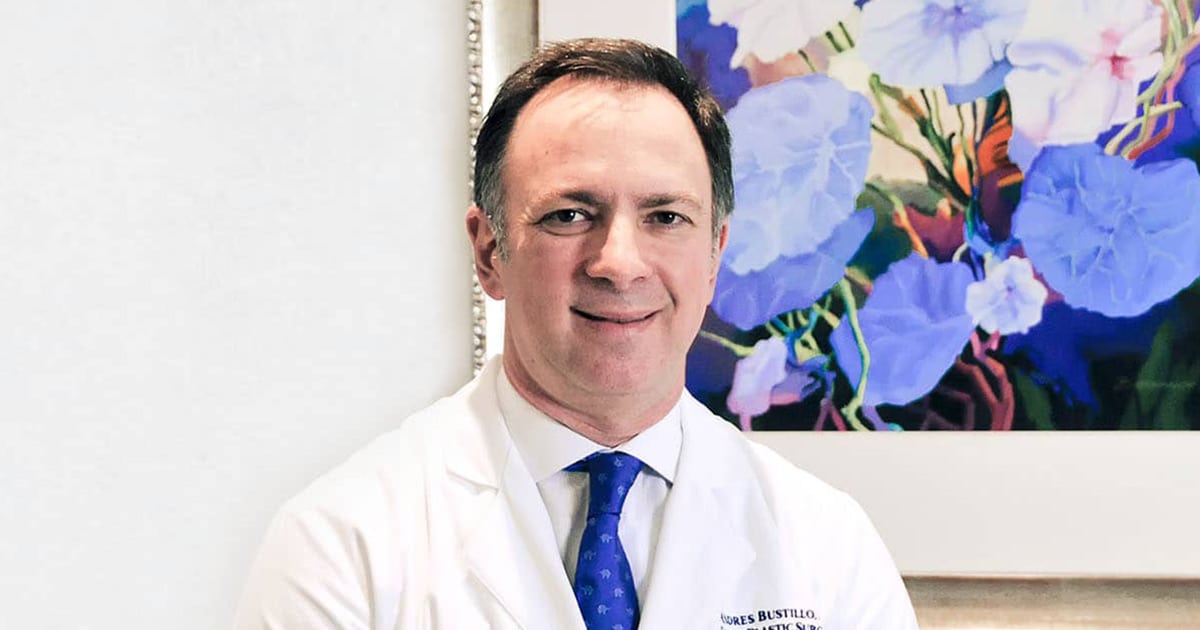
A deep plane facelift after significant weight loss is one of the most rewarding procedures I perform, because the face often changes more than people expect once the weight comes off. Losing a large amount of weight is a real achievement for your body and your overall health. Even so, rapid or major weight loss can leave the face looking deflated, with loose skin, hollow cheeks, and a tired appearance that does not match how good you feel.
I am Dr. Andres Bustillo, a double board-certified facial plastic surgeon in Miami, Florida. For more than 20 years, I have focused only on the face and neck, and I have spent over 15 years performing the deep plane facelift. I see many weight loss patients who love their new body but feel that their face now looks older, and this facial plastic surgery is often the right answer.

Key Takeaways on Facelift Results, Benefits, and Recovery After Weight Loss
- Significant weight loss often leaves the face with loose skin, hollow cheeks, and lost volume.
- A deep plane facelift lifts and repositions the deeper facial tissues for natural results.
- Fat grafting is often combined with the facelift to restore volume lost during weight loss.
- The best facelift results come once your weight has been stable at or near your goal weight.
- A consultation lets me match the right facelift options to your face and neck.
Why the Face Can Look Older After Significant Weight Loss
When you lose a significant amount of weight, your body sheds fat everywhere, and the face is no exception. The fat pads in the cheeks and temples shrink, and the skin that once covered that volume is left behind. With rapid weight loss, the skin often cannot retract quickly enough, so it begins to sag.
This is why the face can look older after major weight loss, even when the rest of your body looks healthier. Younger skin has more elasticity and tends to retract better, while more mature skin that has lost collagen is more likely to hang loose. The result is a mix of volume loss and loose skin that ages the appearance of the face and neck.
For many of these patients, the neck tells the story first. Excess skin under the chin and along the jawline is one of the earliest signs of major weight loss, and no amount of diet or exercise will tighten that skin again.
How a Deep Plane Facelift Helps After Weight Loss
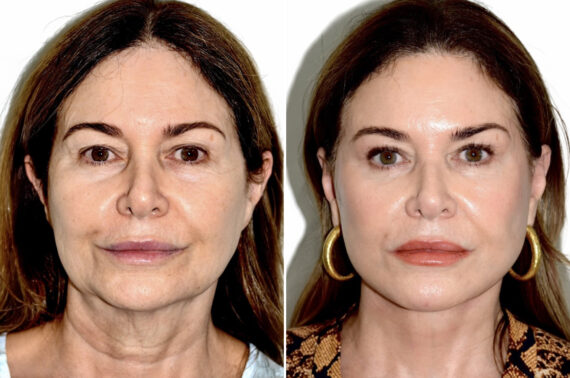
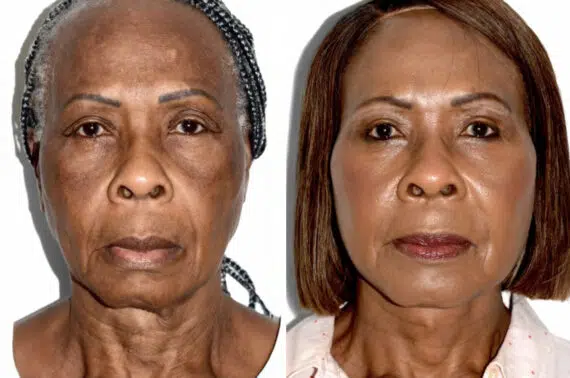
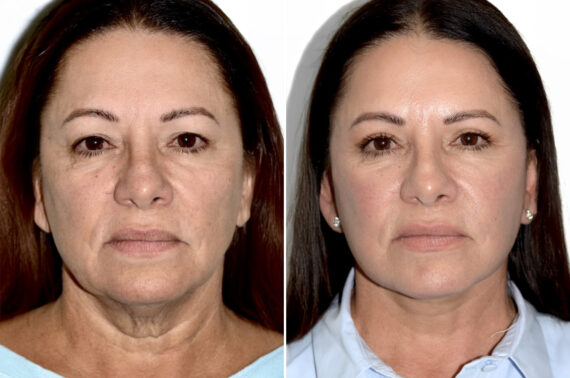
A deep plane facelift suits the changes that follow weight loss because it works on the deeper structure of the face, not just the surface skin. Traditional facelifts and a mini facelift mostly pull the skin, but the deep plane technique repositions the deeper tissues for a more natural, lasting result.

Lifting Descended Facial Tissues
As weight loss empties the face of volume, the deeper tissues drift downward. The deep plane facelift releases and lifts these descended tissues, repositioning the cheek fat pad and midface so the face looks supported again rather than deflated.
Improving Jowls and Jawline Definition
Loose skin and sagging tissue after weight loss often blur the jawline and create jowls. By lifting at the deeper level, the facelift restores a cleaner jawline and brings back definition that the weight took away.
Addressing Neck Laxity and Fullness
The neck is where weight loss shows most. A deep plane facelift, often paired with a neck lift, removes excess skin and tightens the platysma muscle, improving neck laxity and contour from the jawline down. This tightening is a big part of why the face and neck look refreshed.
Supporting Natural Facial Balance
My goal is never a pulled look. By restoring the deeper facial structure and, when needed, adding volume, the facelift supports natural facial balance so you look like a rested version of yourself.
When to Consider a Deep Plane Facelift After Weight Loss
Timing matters. I generally recommend that patients reach a stable weight before facelift surgery, because losing more weight afterward can loosen the skin again and affect your facelift results. Most patients do best once they are at or near their goal weight and have maintained it for several months. Like any cosmetic surgery, this works best on a stable foundation.
After Bariatric Surgery or Major Weight Loss
Patients who have had bariatric surgery or lost a very large amount of weight often see dramatic facial changes. After bariatric surgery, I like to wait until your weight and overall health have settled before planning a deep plane facelift, so the results last. A weight loss facelift planned at the right time gives the most durable result, and the deep plane technique offers a comprehensive lift after weight loss of this scale.

Deep Plane Facelift After Ozempic or Weight Loss Medication
Medications like Ozempic and other GLP-1 drugs have made rapid weight loss far more common, and with it a side effect people now call “Ozempic face.” When the body loses weight quickly, the face can lose fat and volume faster than the skin can retract, leaving hollow cheeks, loose skin, and an aged appearance. Gradual weight loss of one to two pounds a week gives the skin a better chance to keep up.
A deep plane facelift after this kind of weight loss often works best when combined with fat grafting, which replaces the volume the face has lost. The facelift lifts and tightens the sagging tissues, while fat grafting refills hollow cheeks and temples. Together, they treat both problems that rapid weight loss creates and deliver more complete facial rejuvenation.
Who Is a Good Candidate for Deep Plane Facelift After Weight Loss?
A good candidate has reached a stable weight, is in good overall health, and is bothered by loose skin, jowls, or a heavy neck after weight loss. If you have hollow cheeks along with loose skin, you are often an ideal weight loss patient for a deep plane facelift combined with fat grafting.
The deep plane approach is not the only option, and during your consultation, I will be honest about whether a neck lift, eyelid surgery, or other procedures would serve you better. Some patients need a full facelift, while others do well with a more limited plan. Like all plastic surgery procedures, the point is to match the surgery to your face and your weight history.
Questions about your procedure?
Schedule a consultation with Dr. Andres Bustillo.
How Dr. Bustillo Plans Facelift Surgery in Miami
When I plan facelift surgery in my Miami plastic surgery practice, I start by examining your skin quality, the degree of volume loss, and how your face and neck have changed with weight loss. I ask about your weight history, whether you used weight loss medication, and whether your weight is stable now.
From there, I map out the deep plane facelift and decide whether to add fat grafting, a neck lift, or eyelid surgery for a balanced result. As a facial plastic surgeon who works only on the face, I plan each weight loss facelift around your individual facial structure rather than a single formula. My aim is a natural, lasting result that restores a refreshed appearance after weight loss.
Schedule a Deep Plane Facelift Consultation in Miami
Call my Miami office at 305-663-3380 and schedule your consultation to discuss your facial anatomy, treatment goals, and what the deep plane approach could realistically achieve for you.
Frequently Asked Questions About Deep Plane Facelift After Weight Loss
I usually recommend waiting until your weight has been stable at or near your goal weight for several months. If you are still losing weight, more skin can loosen after surgery, which can affect your facelift results. Reaching a steady weight first protects your investment.
Yes. A deep plane facelift removes excess skin and, more importantly, lifts and repositions the deeper tissues that sag after weight loss. This treats loose skin on the face and neck far more effectively than skin tightening alone.
Many weight loss patients lose facial volume along with the weight, so I often combine fat transfer with the facelift, when appropriate, to refill hollow cheeks and temples. Whether you need it depends on how much volume your face has lost.
It can. “Ozempic face” comes from rapid weight loss that leaves the face hollow and the skin loose. A deep plane facelift, usually with fat grafting, lifts the sagging skin and restores lost volume, which addresses both parts of the problem.
About the Author
Dr. Andres Bustillo is a facial plastic surgeon in Miami, Florida, who limits his practice entirely to the face, head, and neck rather than body procedures. He earned his medical degree at the University of Miami, completed his residency in Otolaryngology-Head and Neck Surgery at Jackson Memorial Hospital, and trained in an advanced facial plastic and reconstructive surgery fellowship in New York. That focus matters for weight loss patients, whose facial changes call for a plastic surgeon who works on the face every day. He is known for natural results that restore a rested, balanced appearance without an overdone look.