In recent years, more men have become interested in facial rejuvenation—not to look dramatically different, but to look more rested, healthier, and closer to how they feel inside. For many male patients, the biggest hesitation around facelift surgery is the fear of looking over-tightened, unnatural, or subtly feminized. These concerns are valid, and they stem largely from how facelift procedures were historically performed rather than from the concept of facial surgery itself.
At the practice of Dr. Andres Bustillo, male facelift surgery is approached with a clear understanding of male facial anatomy and aging patterns. The deep plane facelift technique is particularly well suited for men because it restores youthful facial structure without altering masculine features or creating a “worked-on” appearance. Understanding why technique matters is key to making confident decisions about facial plastic surgery.
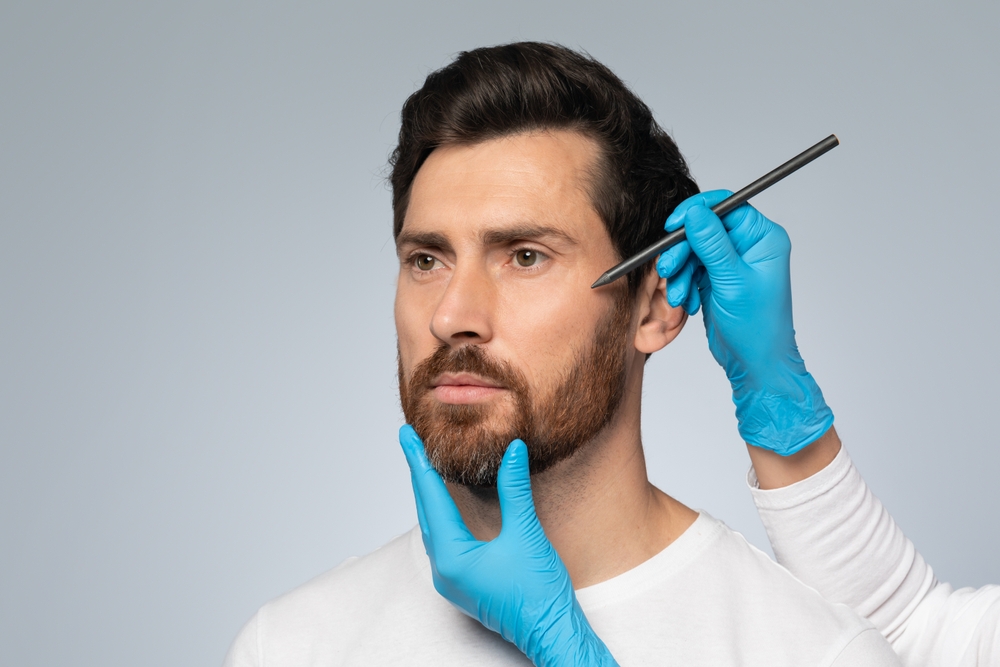
Key Takeaways for Men Considering a Facelift Procedure
- Men age differently than women and require a tailored surgical approach.
- Traditional facelift techniques can unintentionally soften masculine facial features.
- The deep plane facelift repositions deeper tissues rather than tightening skin alone.
- Natural-looking results depend on respecting male facial anatomy.
- A consultation with an experienced facelift surgeon is essential for proper planning.
Common Concerns Men Have About Facelift Surgery
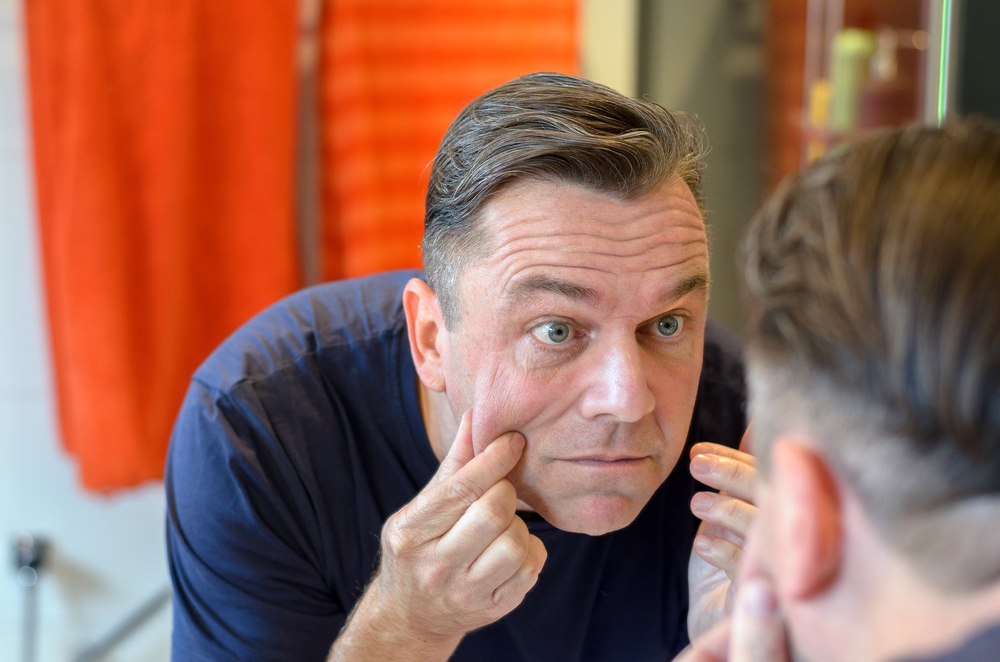
Fear of a Feminized or Over-Pulled Appearance
One of the most common concerns male patients express during consultation is the fear of looking feminized after surgery. This concern often comes from seeing facelift results that emphasize high cheek contours or overly tight skin, which can conflict with masculine facial proportions.
Worries About Obvious Scars or “Surgical” Results
Men are also concerned about visible incisions, particularly because facial hair patterns differ from women’s. Poorly placed facelift incisions can disrupt beard growth or become noticeable along the hairline or around the ears if not carefully planned.
Wanting Natural Aging Rather Than a Different Face
Most male patients are not seeking perfection or dramatic change. Instead, they want to look like a refreshed version of themselves—less tired, less weathered, and more confident—without anyone being able to pinpoint that they had a cosmetic procedure.


How Male Facial Anatomy Differs From Female Anatomy
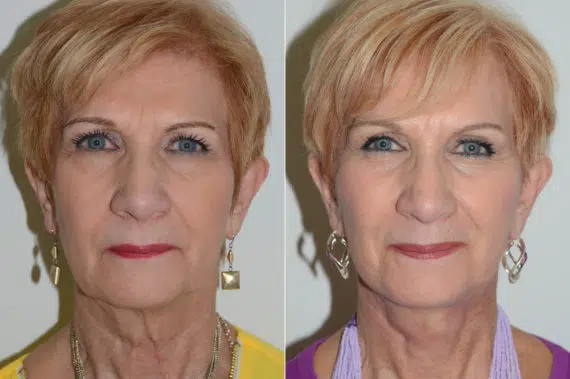
Male facial anatomy is structurally distinct from female anatomy in several important ways. Men typically have thicker skin, stronger facial muscles, heavier facial hair–bearing skin, and more angular bone structure. The jawline, chin, and neck tend to be broader and more defined, contributing to a masculine facial appearance.
As men age, changes often appear in the lower face and neck, including deep wrinkles, sagging along the jawline, and more prominent nasolabial folds. Because male facial structures are heavier, aging can appear more pronounced—but correcting it requires careful technique to avoid softening the very features that define masculinity.
Questions about your procedure?
Schedule a consultation with Dr. Andres Bustillo.
Why Traditional Facelift Techniques Can Be Risky for Men
Skin-Only Tightening Alters Masculine Facial Lines
Traditional facelift techniques often rely heavily on pulling and tightening the skin. While this may smooth wrinkles temporarily, it can distort male facial features by flattening natural contours or creating tension that looks unnatural.
Over-Lifting the Midface Can Create Feminine Contours
Some facelift procedures focus on lifting the midface aggressively. In men, this can result in overly rounded cheeks that appear inconsistent with masculine anatomy. Once these changes occur, they can be difficult to correct.
Shorter Longevity and Higher Risk of Revision
Because skin-only facelifts do not address deeper facial structures, results may not last as long. Men who undergo these procedures may notice earlier recurrence of sagging and may eventually seek facelift revision surgery.
What Is a Deep Plane Facelift Procedure?
A deep plane facelift is a facial plastic surgery technique that works beneath the superficial layers of the face. Instead of stretching the skin, the deep plane facelift procedure releases and repositions deeper facial tissues, including muscles and fat, as a single unit.
Working Below the SMAS Layer
The deep plane technique operates below the SMAS layer, allowing the surgeon to lift facial structures at their foundation. This approach avoids excessive skin tension and supports more natural movement and contour.
Repositioning Muscles and Fat Instead of Stretching Skin
By lifting the deeper facial muscles and tissues, the skin naturally redrapes over the restored structure. This is a critical reason why deep plane facelift surgery produces more natural results, especially in male patients.
Why the Deep Plane Facelift Works Especially Well for Men
Preserves a Strong, Masculine Jawline
The deep plane facelift enhances jawline definition without narrowing or softening it. For men, maintaining a strong jaw and neck contour is essential for preserving masculine identity.
Avoids Over-Emphasized Cheeks
Because the deep plane technique focuses on anatomical repositioning rather than surface pulling, it avoids the exaggerated cheek fullness that can occur with other facelift procedures.
Reduces the “Pulled” or Operated Look
Men who undergo deep plane facelift surgery often hear that they look well-rested rather than surgically altered. This subtlety is a direct result of respecting facial structures and allowing natural skin drape.
How Deep Plane Facelift Maintains Masculine Facial Features
Respecting Male Facial Proportions
Every deep plane facelift performed by Dr. Bustillo is customized to the patient’s anatomy. In men, this means maintaining appropriate proportions between the cheeks, jawline, neck, and chin.
Natural Repositioning of Sagging Tissues
Rather than erasing all signs of aging, the deep plane facelift restores tissues to a more youthful position. This approach supports a natural, age-appropriate appearance.
Subtle Improvement Others Can’t Pinpoint
One of the hallmarks of successful male facelift surgery is discretion. Friends and colleagues may notice that a patient looks healthier or more refreshed, without suspecting cosmetic surgery.
Recovery Considerations Unique to Men
Recovery from a deep plane facelift is similar for men and women, but there are considerations unique to male patients. Facial hair growth patterns must be preserved, and shaving may need to be adjusted temporarily during healing. Swelling and bruising typically improve gradually, with many men returning to normal activities within a few weeks.
Anesthesia options, incision placement, and post-operative care are discussed during consultation to ensure a smooth recovery process.
Long-Term Results: How Men Age After a Deep Plane Facelift
Because the deep plane facelift corrects structural aging rather than surface wrinkles alone, results tend to age more naturally over time. Men continue to age, but from a more youthful baseline, without the stretched or distorted look sometimes seen after traditional facelift surgery.
Who May Be a Good Candidate for a Male Facelift?
Men experiencing sagging in the lower face and neck, deep wrinkles, or loss of jawline definition may be good candidates for a deep plane facelift. Ideal candidates are in good overall health and have realistic expectations about what facial surgery can achieve.
A consultation with a facial plastic surgeon allows for evaluation of facial anatomy, aging patterns, and goals to determine whether the deep plane technique is appropriate.
Choosing the Right Surgeon Matters
Male facelift surgery requires a high level of anatomical knowledge and aesthetic judgment. Selecting a surgeon with extensive experience in facial plastic surgery and head and neck surgery is critical for achieving natural results. The right surgeon understands how to rejuvenate the face and neck without compromising masculine features.
Rejuvenation Without Losing Masculine Identity
A deep plane facelift offers men the opportunity to achieve meaningful facial rejuvenation without looking feminized or overdone. By addressing deeper facial structures and respecting male anatomy, this approach delivers natural, long-lasting results. Education and proper technique reduce fear, misinformation, and disappointment—allowing men to make confident decisions about facial surgery.
Men interested in learning more about deep plane facelift surgery are encouraged to schedule a consultation with Dr. Bustillo to discuss goals, anatomy, and personalized treatment options.

Why Trust Dr. Andres Bustillo for Long-Lasting Deep Plane Facelift Results
Dr. Andres Bustillo is a double board-certified facial plastic surgeon with over 20 years of experience focused exclusively on facial rejuvenation. His expertise in advanced techniques such as the Deep Plane Facelift allows him to address aging at its structural level — contributing to results that look natural and are designed to last. Credentials include:
- Double board-certified in facial plastic surgery and head & neck surgery
- Fellowship-trained in facial plastic & reconstructive surgery
- Extensive experience with deep plane facelift techniques
- Known for durable, natural-appearing facial rejuvenation results