Scarring is a common concern for patients considering facial plastic surgery. When evaluating a deep plane facelift, many people want to understand where incisions are placed, how scars heal, and what can be done to support optimal results. Understanding how deep plane facelift scars form and mature helps patients approach facelift recovery with realistic expectations and confidence.
A deep plane facelift is an advanced facial rejuvenation procedure that repositions deeper facial structures to restore natural contours of the face and neck. Because this surgical procedure involves carefully placed incisions, some scarring is unavoidable. However, when performed by a qualified facial plastic surgeon using precise techniques and proper incision placement, facelift scars typically heal well and become difficult to detect over time.

What You Should Know About Facelift Scars
- Deep plane facelift surgery requires incisions, which create scars that typically fade as healing progresses.
- Incision placement is designed to conceal scars within natural facial contours and hairlines.
- Proper scar care and sun protection support optimal healing and scar appearance.
- Scar maturation is a gradual process that continues for months after surgery.
- Choosing the right surgeon plays an important role in minimizing visible scars.
Does a Deep Plane Facelift Leave Scars?

Yes. Like any surgical procedure involving incisions, a deep plane facelift results in scars. However, modern facial plastic surgery techniques focus on strategic incision placement and meticulous wound closure to support favorable healing.
During facelift surgery, incisions allow the surgeon to reposition deeper facial tissues, remove excess skin, and restore definition to the face and neck. As the healing process progresses, scar tissue forms along incision lines as part of normal wound healing.
Most facelift scars gradually soften, flatten, and fade over time. With proper postoperative care and adherence to instructions, they typically become minimally visible.
Where Are Deep Plane Facelift Scars Located?
Deep plane facelift incisions are carefully placed in areas designed to minimize visibility and follow natural contours of the face.
Common incision placement includes:
- within the hairline near the temples
- around the natural curves of the ear
- behind the ear
- sometimes extending into the hairline or beneath the chin
This placement allows scars to blend with natural skin folds and hair-bearing areas, helping conceal incision lines after healing.
When a neck lift is performed with facelift surgery, additional incisions may be placed beneath the chin or behind the ears to improve the contour of the neck.
Are Deep Plane Facelift Scars Visible After Healing?
In most cases, well-healed facelift scars are subtle and difficult to detect. Their visibility depends on several factors, including skin quality, healing response, surgical technique, and postoperative care.
During the early stages of recovery, incision lines may appear red, firm, or slightly raised. As scar maturation occurs, scars typically become lighter and flatter.
While individual healing varies, most patients find that facelift scars become less noticeable as the healing process progresses.
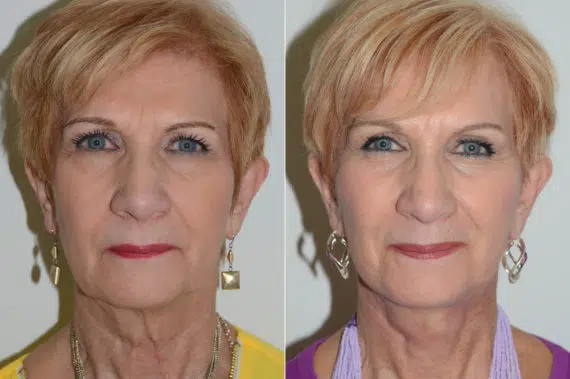
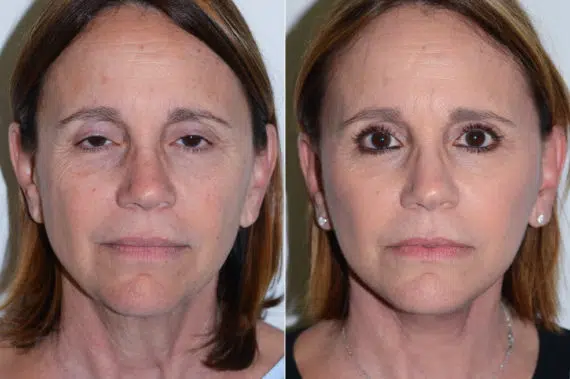
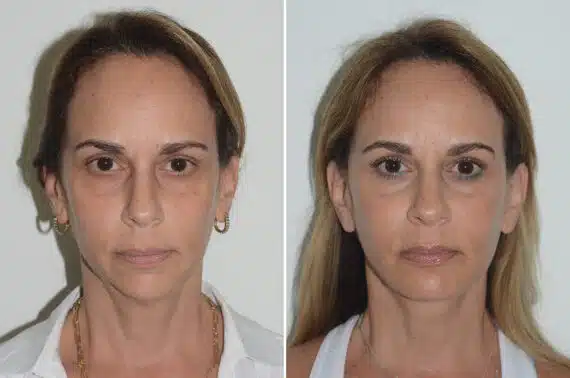
Deep Plane Facelift Scar Healing Timeline: What to Expect
Scar formation follows predictable stages of wound healing. Understanding these phases helps patients recognize normal changes during facelift recovery.
Initial Healing Phase (First Two Weeks)
During the initial healing phase, incision lines close and early scar formation begins. Mild swelling, redness, and firmness around the wound are normal.
Sutures are typically removed according to the surgeon’s postoperative instructions. Careful wound care supports proper healing and reduces the risk of complications.
Proliferative Phase (Weeks 3–6)
During the proliferative phase of wound healing, the body produces collagen to repair the surgical incision. Scar tissue forms as new skin develops along the incision lines.
Scars may appear thicker or more noticeable during this stage before gradually improving.
Scar Maturation Phase (Months After Surgery)
Scar maturation is a gradual process that continues over several months. During this phase, collagen reorganizes and scars soften, flatten, and fade.
The timeline varies by individual, but ongoing improvement in scar appearance is expected as healing progresses.
How a Skilled Facial Plastic Surgeon Minimizes Scar Formation
Surgical technique plays a major role in long-term scar quality. A qualified surgeon uses careful methods to support optimal wound healing and minimize visible scarring.
Strategies that influence scar formation include:
- precise incision placement within natural facial contours
- minimal tension during wound closure
- careful handling of facial tissues
- detailed knowledge of facial anatomy
- individualized surgical planning
The deep plane technique allows repositioning of deeper facial structures while supporting natural facial contours and balanced tissue positioning, which contributes to optimal healing.
Questions about your procedure?
Schedule a consultation with Dr. Andres Bustillo.
What Patients Can Do to Support Scar Healing
Proper postoperative care plays an important role in scar management after facelift surgery.
Follow Postoperative Care Instructions Carefully
Following operative care instructions supports proper wound healing and reduces complications that may affect scar appearance.
Keep Incision Sites Clean and Protected
Appropriate wound care helps prevent infection and supports the healing process. Patients should follow their surgeon’s recommendations for incision care and hygiene.
Protect Healing Skin From Sun Exposure
Sun protection is essential during scar maturation. Ultraviolet exposure can darken scars and affect long-term results, so protecting healing skin is recommended.
Avoid Excessive Tension on Healing Skin
Limiting strain on incision sites helps support proper scar formation. Patients should avoid activities that place stress on healing tissues during the early recovery period.
Scar Management and Scar Treatment Options
Most facelift scars improve naturally with time, but additional scar treatment options may be considered in select cases.
Depending on individual needs, a surgeon may recommend:
- topical treatments to support scar healing
- laser therapy to improve scar appearance
- steroid injections for thickened scars
These approaches are used selectively based on the healing process and individual scar characteristics.
Why Choosing the Right Surgeon Matters for Scar Quality
The experience and skill of the surgeon significantly influence incision placement, wound healing, and final results. Choosing the right surgeon helps ensure safe surgery, careful tissue handling, and optimal scar management.
A qualified facial plastic surgeon with specialized training in facial procedures understands how to position incisions and manage tissues to support natural-looking results.
Schedule a Deep Plane Facelift Consultation in Miami
Understanding how scars form and heal helps patients make informed decisions about facial surgery. A personalized consultation allows patients to discuss incision placement, scar management, and expected results.
Patients in Miami, Florida, can schedule a consultation with Dr. Andres Bustillo to learn more about deep plane facelift surgery and recovery.

Why Trust Dr. Andres Bustillo for Long-Lasting Deep Plane Facelift Results
Dr. Andres Bustillo is a double board-certified facial plastic surgeon with over 20 years of experience focused exclusively on facial rejuvenation. His expertise in advanced techniques such as the Deep Plane Facelift allows him to address aging at its structural level — contributing to results that look natural and are designed to last. Credentials include:
- Double board-certified in facial plastic surgery and head & neck surgery
- Fellowship-trained in facial plastic & reconstructive surgery
- Extensive experience with deep plane facelift techniques
- Known for durable, natural-appearing facial rejuvenation results
Frequently Asked Questions About Deep Plane Facelift Scars
Scars gradually improve over several months as scar maturation occurs. The healing timeline varies depending on individual skin quality and the healing process.
Yes. Skin quality, genetics, and individual healing response can influence scar formation and final scar appearance.
Once incision sites have healed and the surgeon approves, makeup may be used to conceal residual redness or discoloration.