Swelling is one of the most common concerns patients have after facial plastic surgery. Following deep plane facelift surgery, temporary swelling is a normal part of the healing process as the face and neck adjust to repositioned tissues and restored facial contours. Understanding what to expect — and what may require medical evaluation — helps patients feel confident and prepared during recovery.
A deep plane facelift addresses structural facial aging by lifting deeper tissue layers rather than tightening the skin alone. Because the procedure works beneath the surface of the face, some swelling is expected as part of normal healing. Knowing the recovery timeline and recognizing normal versus abnormal changes allows patients to navigate the recovery process with realistic expectations.

What to Expect During Deep Plane Facelift Recovery
- Swelling is a normal part of deep plane facelift recovery and typically peaks in the first few days.
- Most visible swelling improves significantly within the first few weeks after surgery.
- Subtle residual swelling may persist for several months as the face continues healing.
- Sudden or severe swelling may require evaluation by a facial plastic surgeon.
- Following postoperative instructions closely supports a smoother recovery and optimal results.
Why Swelling Occurs After a Deep Plane Facelift

Swelling after a surgical procedure is the body’s natural response to tissue healing. During deep plane facelift surgery, deeper facial structures are repositioned to restore youthful contours in the face and neck. This process temporarily disrupts blood vessels and lymphatic drainage pathways, leading to fluid accumulation in treated areas.
Inflammation plays an essential role in the healing process. Increased blood flow and fluid help repair tissues and support recovery, but they also contribute to temporary swelling, bruising, and tightness.
Because the deep plane technique works beneath the superficial layers of the face, swelling may appear more pronounced initially compared with some less comprehensive facial procedures. However, a deep plane facelift allows for more natural lifting and longer-lasting facial rejuvenation.
How Much Swelling Is Normal After Deep Plane Facelift Surgery?
The degree of swelling varies among patients based on individual healing response, surgical technique, and adherence to postoperative care instructions. Most patients experience moderate swelling in the cheeks, jawline, and neck during the early recovery period.
Common characteristics of normal swelling include:
- gradual onset immediately after surgery
- temporary fullness or firmness in the face and neck
- mild asymmetry during early healing
- steady improvement over time
Bruising and swelling often occur together, especially during the first week. These effects typically improve as the healing process progresses.
Deep Plane Facelift Recovery Timeline: What to Expect
Understanding the deep plane facelift recovery timeline helps patients prepare for each stage of healing.
Days 1–3: Peak Swelling Phase
The first few days after facelift surgery usually involve the most noticeable swelling. Patients may experience tightness in the face, bruising, and temporary changes in facial definition. Cold compresses and proper head elevation help manage swelling during this phase.
Adequate rest and sleep, particularly with the head elevated, are important during the early recovery period.
The First Week: Swelling Begins to Improve
During the first week, swelling and bruising typically begin to stabilize. While the face may still appear puffy, most patients notice gradual improvement each day.
Postoperative instructions may include:
- maintaining consistent head elevation
- limiting physical activity
- careful incision care
- avoiding pressure on the face
- prioritizing rest and sleep
Following these recommendations supports a smooth recovery and helps minimize prolonged swelling after facelift surgery.
Weeks Three and Beyond: Visible Improvement
By weeks three and beyond, a noticeable reduction in swelling allows facial contours to become more defined. Most bruising resolves, and patients often feel more comfortable resuming normal activities.
Residual swelling may persist subtly beneath the skin, particularly in the face and neck, but it continues to improve with time.
Months 3–6: Continued Healing and Refinement
Most noticeable swelling and bruising typically improve within about three weeks, while subtle refinement continues over several months as facial tissues settle into their new position. Patients typically see continued improvement in facial rejuvenation results during this stage.
Questions about your procedure?
Schedule a consultation with Dr. Andres Bustillo.
What Is Not Normal Swelling After a Deep Plane Facelift?
While swelling is expected after facial plastic surgery, certain symptoms may indicate a complication and require medical evaluation.
Potential warning signs include:
- sudden increase in swelling after initial improvement
- significant pain or pressure in one area
- rapidly expanding swelling
- signs of infection such as fever or drainage
- persistent swelling that worsens instead of improving
Patients experiencing unusual symptoms should contact their surgeon promptly for evaluation.
Factors That Influence Deep Plane Facelift Swelling
Several factors affect the amount of swelling that develops and how long it lasts after surgery.
Surgical Technique and Precision
Careful surgical technique helps minimize tissue trauma and supports smoother healing. The deep plane approach repositions deeper facial structures in a controlled manner, which can influence the overall recovery experience.
Individual Healing Response
Each patient’s healing process differs based on genetics, overall health, and lifestyle factors. Some individuals naturally experience more swelling or bruising than others.
Extent of Surgical Correction
More extensive correction of facial aging or combined facial procedures may increase temporary swelling due to the scope of treatment.
Postoperative Care Compliance
Following postoperative instructions — including head elevation, rest, and activity restrictions — significantly affects the recovery process and final results.
How to Support a Smooth Recovery After Deep Plane Facelift Surgery
Proper postoperative care plays a major role in reducing swelling and promoting healing.
Head Elevation, Rest and Sleep During Recovery
Maintaining head elevation while resting or sleeping helps reduce fluid accumulation in the face and neck. Dr. Bustillo commonly advises sleeping with two pillows for the first two weeks to keep the head elevated and support faster reduction of swelling.
Cold Compresses During Early Recovery
Cold compresses may be recommended in the initial recovery period to help manage swelling and discomfort. If used, they should be applied carefully and kept away from incision lines unless specifically instructed by the surgeon.
Incision Care and Hygiene
Proper incision care supports healing, reduces infection risk, and promotes favorable scar formation.
Supplements and Additional Recovery Support
Some patients ask about supplements or supportive therapies to promote healing. Any supplements or recovery treatments should only be used when approved by the surgeon to ensure safe recovery and optimal results.
When Will You See Final Deep Plane Facelift Results?
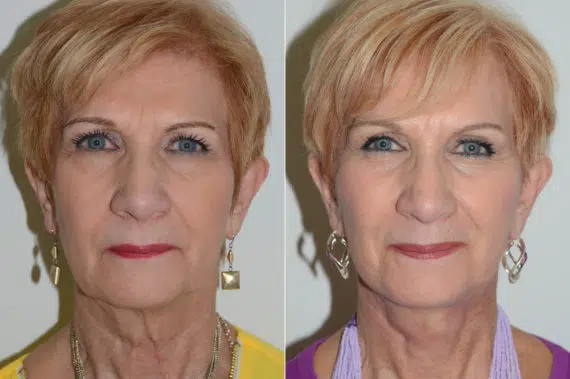
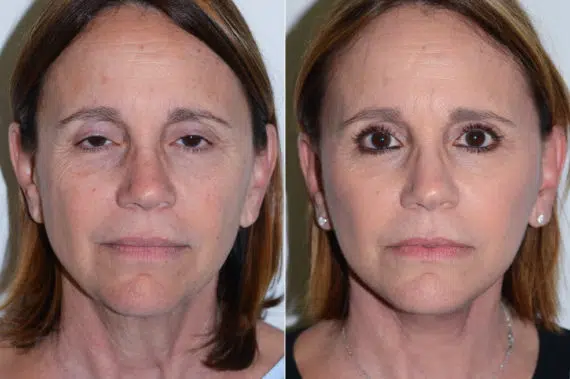
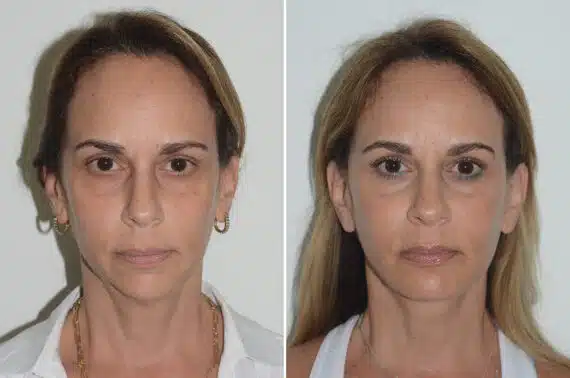
Early improvements are visible once swelling and bruising subside, but final results emerge gradually as the healing process continues. The deep plane technique restores facial structure and support, allowing long-term improvement in facial contours and overall facial rejuvenation.
Patience during the recovery period helps ensure the most natural and lasting outcome.
How Facial Plastic Surgery Expertise Influences Recovery and Results
The experience of a facial plastic surgeon plays an important role in both surgical outcomes and recovery. Expertise in facial anatomy, surgical precision, and postoperative care helps minimize complications and supports optimal healing.
Next Steps: Schedule Your Deep Plane Facelift Consultation in Miami
Understanding what is normal during deep plane facelift recovery helps patients feel prepared and confident throughout the healing process. Personalized guidance from an experienced surgeon ensures safe recovery and optimal results.
Patients interested in facial rejuvenation can schedule a consultation with Dr. Andres Bustillo in Miami, Florida to discuss deep plane facelift surgery and expected recovery time.

Why Trust Dr. Andres Bustillo for Long-Lasting Deep Plane Facelift Results
Dr. Andres Bustillo is a double board-certified facial plastic surgeon with over 20 years of experience focused exclusively on facial rejuvenation. His expertise in advanced techniques such as the Deep Plane Facelift allows him to address aging at its structural level — contributing to results that look natural and are designed to last. Credentials include:
- Double board-certified in facial plastic surgery and head & neck surgery
- Fellowship-trained in facial plastic & reconstructive surgery
- Extensive experience with deep plane facelift techniques
- Known for durable, natural-appearing facial rejuvenation results
Frequently Asked Questions About Deep Plane Facelift Swelling
Mild temporary asymmetry is common during early healing because tissues recover at different rates. Swelling typically becomes more balanced as recovery progresses.
Yes. Subtle residual swelling may persist for several months as tissues continue healing and settling.
Yes. Sleeping with the head elevated — typically using two pillows during the early recovery period — helps reduce swelling and supports healing.
Healing response varies by individual. Age, skin quality, and overall health can influence recovery time and the healing process.