Many patients exploring facial rejuvenation compare non-surgical treatments with surgical options before deciding on a long-term solution. One common comparison today is thread lift vs facelift, particularly when evaluating how results differ in durability, effectiveness, and overall facial improvement.
While a thread lift procedure offers subtle, temporary lifting with minimal downtime, a deep plane facelift addresses deeper structural changes associated with facial aging. Understanding how these two approaches differ helps patients choose the most appropriate cosmetic procedure for their goals, expectations, and timeline.
At his Miami, Florida practice, facial plastic surgeon Dr. Andres Bustillo focuses on advanced surgical techniques that restore natural facial contours while preserving expression. Comparing thread lifts with deep plane facelift surgery provides important insight into what each option can realistically achieve.

What You Should Know Before Choosing a Facial Lift
- Thread lifts provide temporary lifting by tightening the skin, while a deep plane facelift repositions deeper facial structures.
- A thread lift procedure typically offers short-term improvement, while a surgical facelift results have greater longevity.
- Deep plane facelift surgery addresses moderate to advanced facial aging more comprehensively.
- Recovery and risk profiles differ between non-surgical and surgical procedures.
- A consultation with an experienced facial plastic surgeon helps determine the best option for long-term results.
What is a Thread Lift Procedure?
A thread lift is a minimally invasive cosmetic procedure designed to create mild lifting of the face using temporary dissolvable sutures—often made of polydioxanone (PDO)—placed beneath the skin. During a PDO thread lift, dissolvable threads are inserted through small entry points to lift sagging tissue and stimulate limited collagen production.
PDO threads attach to soft tissue and mechanically lift areas such as the cheeks, jawline, or face and neck. Over time, the threads dissolve naturally while the skin continues to age.
How a Thread Lift Works
The thread lift procedure typically involves:
- placing dissolvable PDO threads beneath the skin
- gently tightening tissue to create a subtle lift
- stimulating mild collagen production
- small entry points
- short recovery time compared with surgery
Although marketed as a quick alternative to a surgical facelift, threads do not reposition deeper facial structures responsible for more significant aging changes.
Limitations of Thread Lift Treatments
Understanding the limitations of thread lift options helps set realistic expectations. These may include:
- temporary results
- limited correction of excess skin
- inability to address deeper facial aging
- potential asymmetry or irregular contours
- need for repeated treatments
Thread lifts may be an option for mild skin laxity, but they do not provide the structural improvement achieved with a surgical lift
What is a Deep Plane Facelift Procedure?
A deep plane facelift is an advanced surgical procedure that repositions deeper layers of the face rather than simply tightening the skin. This technique lifts the underlying facial structures responsible for sagging cheeks, wrinkles, and changes in facial contours.
Unlike a traditional facelift or mini facelift, the deep plane approach releases and repositions the deeper tissue layer to restore natural facial support.
How Deep Plane Facelift Surgery Works
Deep plane facelift surgery involves:
- carefully placed incisions around natural contours of the face
- repositioning deeper facial tissues
- removing excess skin
- restoring definition in the face and neck
- creating longer-lasting results
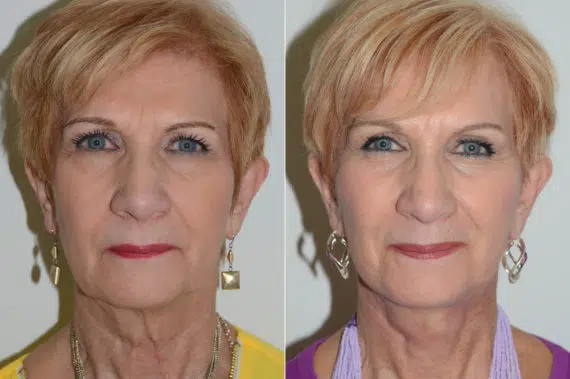
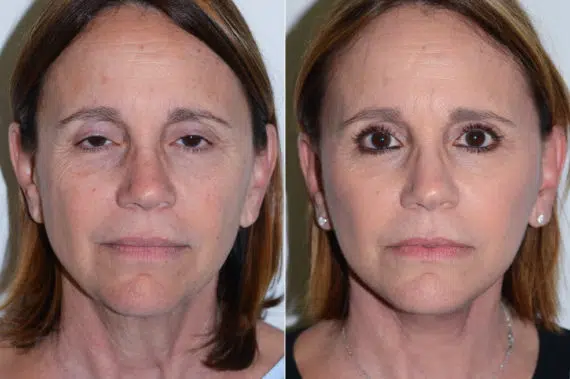
By addressing structural causes of facial aging, the procedure produces natural-looking results without a tight or pulled appearance.


Why Thread Lifts Cannot Deliver Long-Term Facial Rejuvenation
Although thread lifts can provide temporary improvement, their design limits their ability to achieve lasting facial rejuvenation.
Threads Do Not Reposition Deep Facial Structures
Facial aging occurs as deeper tissue layers descend over time. A thread lift works primarily at the surface level, tightening the skin rather than repositioning structural support. Because the deeper foundation remains unchanged, the lifting effect is limited.
Thread Lift Results Are Temporary by Design
PDO threads gradually dissolve within months. While some collagen stimulation occurs, the mechanical lift fades as the threads break down. Many patients require repeat treatments to maintain results, which can affect long-term cost and convenience.
Threads Cannot Correct Moderate to Advanced Aging
Thread lift treatments typically address mild skin laxity. They cannot effectively correct:
- significant sagging in the cheeks
- prominent wrinkles
- excess skin in the lower face
- structural changes affecting the face and neck
Patients with more advanced facial aging often seek surgical facelift options after experiencing limited improvement from threads.
Aging Continues Despite Threads
A thread lift does not slow or reverse the aging process. As the face continues to age, results gradually diminish, which contributes to shorter longevity compared with facelift surgery.
Deep Plane Facelift vs Thread Lift: A Structural Comparison
When comparing thread lift vs facelift options, the differences involve more than recovery time. The procedures differ in depth, effectiveness, longevity, and overall facial improvement.
Depth of Treatment
A thread lift targets superficial tissue beneath the skin. A deep plane facelift repositions deeper facial structures that influence long-term facial shape.
Longevity of Results
Thread lift results typically last months to a few years. A surgical facelift offers significantly longer-lasting improvement because structural repositioning supports the face over time.
Degree of Facial Improvement
Thread lift procedures provide subtle changes. Deep plane facelift surgery addresses more substantial aging concerns, including excess skin, sagging cheeks, and loss of definition.
Recovery and Risk Considerations
A thread lift involves a shorter recovery time, but potential complications such as irregular contours or thread visibility may occur. Facelift surgery involves a longer recovery period but provides more comprehensive correction when performed by an experienced surgeon.
Why Many Patients Eventually Choose Deep Plane Facelift Surgery After Thread Lifts
Some patients initially choose a thread lift because it appears less invasive. However, after experiencing temporary results or limited improvement, many later pursue a surgical facelift for longer-lasting outcomes.
Common reasons include:
- dissatisfaction with short-term results
- progression of facial aging
- desire for more comprehensive improvement
- repeated treatment costs
A deep plane facelift addresses the underlying causes of aging rather than temporarily lifting surface tissue.
Questions about your procedure?
Schedule a consultation with Dr. Andres Bustillo.
Who Is a Candidate for Thread Lift vs Facelift Surgery?
Choosing the right facial procedure depends on individual anatomy, degree of aging, and desired results.
Thread Lift Candidates
Thread lift candidates may include patients with:
- preference for temporary improvement
- mild skin laxity
- early signs of facial aging
- minimal excess skin
Deep Plane Facelift Candidates
Deep plane facelift candidates typically have:
- moderate to advanced facial aging
- sagging cheeks or jawline changes
- excess skin in the lower face
- desire for longer-lasting results
- realistic expectations about recovery
A consultation with a qualified cosmetic surgeon helps determine which option best aligns with a patient’s goals.
Understanding Potential Complications and Risk
Every cosmetic procedure carries some level of risk. Understanding potential complications supports informed decision-making.
Thread Lift Complications
Potential complications may include:
- temporary irregular contours
- visible or palpable threads
- asymmetry
- infection
Facelift Surgery Risks
Facelift surgery carries standard surgical risks, including swelling, bruising, and temporary numbness. Choosing an experienced facial plastic surgeon helps minimize complications and improve outcomes.
Why Surgical Expertise Matters in Facial Plastic Surgery
Facial rejuvenation requires careful understanding of anatomy and balance. The experience of the surgeon plays a major role in achieving natural-looking results and minimizing risk.
An experienced facial plastic surgeon evaluates facial structure, skin quality, and aging patterns to recommend the most appropriate treatment plan. Proper technique also supports smoother recovery and long-term satisfaction.
Why Patients Choose Dr. Andres Bustillo for Deep Plane Facelift in Miami
Dr. Andres Bustillo is a double board-certified facial plastic surgeon specializing in facial plastic surgery procedures. His Miami practice focuses on advanced surgical techniques that enhance facial harmony while preserving natural expression.
Patients choose Dr. Bustillo for:
- expertise in deep plane facelift surgery
- personalized treatment planning
- emphasis on natural results
- commitment to patient safety
- specialized focus on facial plastic surgery
A personalized consultation helps determine whether a thread lift or surgical facelift provides the best long-term solution.
Next Steps: Schedule a Deep Plane Facelift Consultation in Miami
Understanding the differences between a thread lift and deep plane facelift helps patients choose the most appropriate path for facial rejuvenation. A comprehensive evaluation considers aging patterns, facial anatomy, and desired longevity of results.
Patients interested in facial rejuvenation can schedule a consultation with Dr. Andres Bustillo in Miami, Florida to discuss treatment options and expected recovery time.
Next Steps: Schedule Your Deep Plane Facelift Consultation in Miami
Understanding what is normal during deep plane facelift recovery helps patients feel prepared and confident throughout the healing process. Personalized guidance from an experienced surgeon ensures safe recovery and optimal results.
Patients interested in facial rejuvenation can schedule a consultation with Dr. Andres Bustillo in Miami, Florida to discuss deep plane facelift surgery and expected recovery time.

Why Trust Dr. Andres Bustillo for Long-Lasting Deep Plane Facelift Results
Dr. Andres Bustillo is a double board-certified facial plastic surgeon with over 20 years of experience focused exclusively on facial rejuvenation. His expertise in advanced techniques such as the Deep Plane Facelift allows him to address aging at its structural level — contributing to results that look natural and are designed to last. Credentials include:
- Double board-certified in facial plastic surgery and head & neck surgery
- Fellowship-trained in facial plastic & reconstructive surgery
- Extensive experience with deep plane facelift techniques
- Known for durable, natural-appearing facial rejuvenation results
Frequently Asked Questions: Thread Lift vs Facelift
In most cases, dissolvable PDO threads do not prevent future facelift surgery. However, prior treatments may affect tissue quality or require careful surgical planning, which is why full disclosure during consultation is important.
Threads dissolve over time, and the face continues to age. Because the procedure does not reposition deeper structures, the lifting effect gradually fades.
The goal of a deep plane facelift is to restore natural contours rather than change facial identity. Repositioning underlying structures allows for rejuvenation while preserving natural expression.