Early changes in the jawline can appear long before the rest of the face shows noticeable signs of aging. When jowls develop in the 30s or 40s, it often feels disproportionate — as though the lower face is aging ahead of everything else. In many cases, this is not a reflection of how well you care for your skin or overall health. Instead, genetics play a leading role.
Natural differences in bone structure and deeper soft tissue support can cause the jawline to relax sooner, making some people excellent candidates for a deep plane facelift earlier in life.
In Miami, double board-certified facial plastic surgeon Dr. Andres Bustillo specializes in advanced facelift techniques that restore natural facial structure. When early jowling is driven by genetics, understanding the underlying cause can help you choose a treatment path that truly supports your facial anatomy.
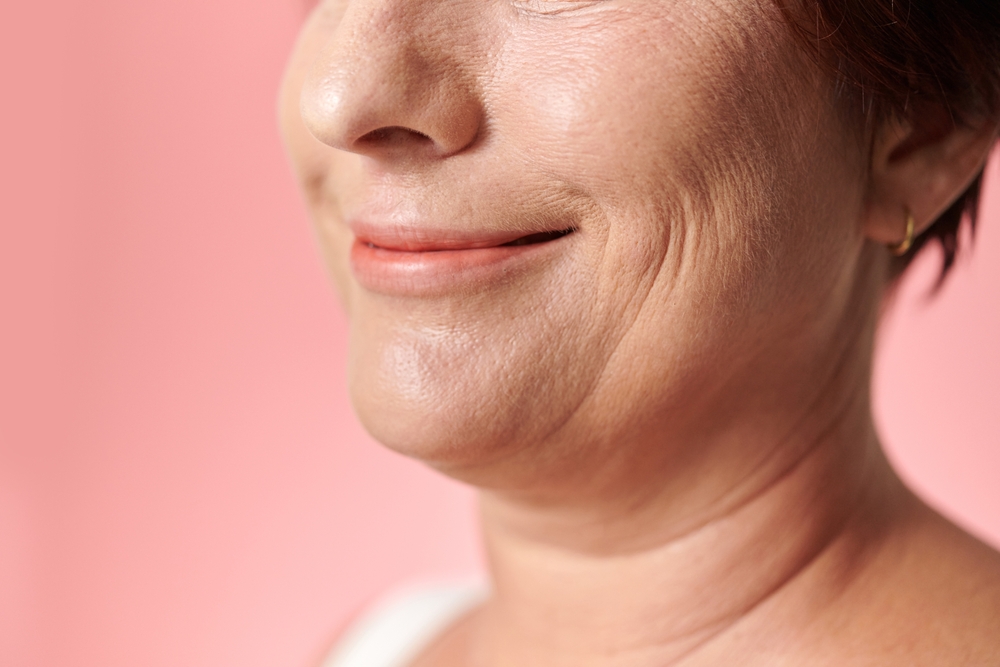
Are Jowls Genetic? Understanding Your Jawline and Facial Skin Support
The jawline is shaped by several anatomical features: bone support, facial muscles, the strength of ligaments, and the quality of facial skin. When these supporting elements are naturally less defined due to genetics, jowls may appear long before wrinkles or other signs of aging. Sun exposure, weight changes, and natural aging can contribute as well.
Early jowling may look like:
- Gradual heaviness where the cheek meets the jaw
- Reduced definition along the jawline
- Deepening nasolabial folds
- Shadows under the mouth that make the face look tired
If family members have a softer lower face, there’s a strong chance your facial tissues may age similarly.
Deep Plane Facelift Results: When Genetics Make You a Candidate Earlier
You may still have youthful skin quality, but if the deeper support system starts to relax, nonsurgical treatments often don’t provide enough lift. Fillers can add volume, but they cannot correct underlying descent of facial muscles or the deeper connective layers.
Signs You May Be an Early Deep Plane Facelift Candidate
You may be an early candidate for a deep plane facelift if you:
- Notice lower-face changes despite a youthful upper face
- Do not see meaningful improvement from injectables
- Feel their appearance looks tired or weighed down
- Want long-lasting improvement, not temporary masking
Being ready for facelift surgery earlier isn’t a sign of premature aging — it simply reflects how your genetics shape your facial structure.
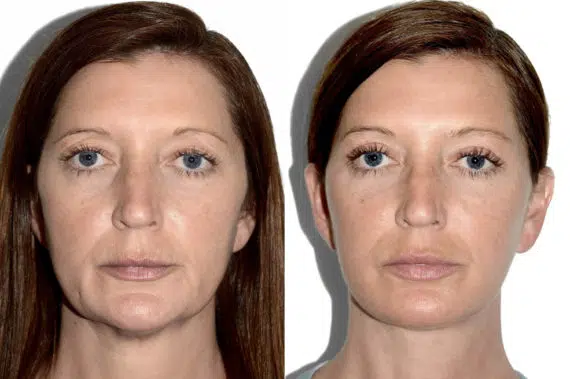
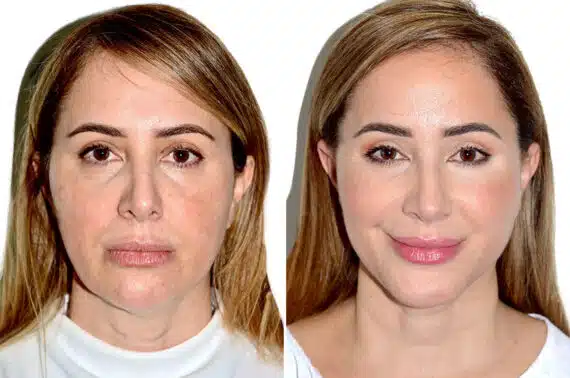
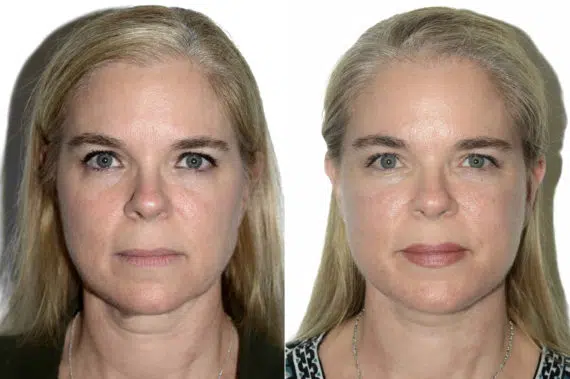
Why the Deep Plane Facelift Procedure Offers Better Results Than a Traditional Facelift
A traditional facelift focuses mainly on tightening the skin. A SMAS facelift improves support slightly deeper. The deep plane approach goes further — lifting the muscles and ligaments beneath the SMAS layer.
By restoring the deeper support of the midface and jawline, the deep plane facelift returns the tissues to a more youthful position, creating smoother, more defined contours without stretching the skin.
How Lifting Deeper Facial Tissues Improves Jawline Results
Deep plane facelift results typically include:
- Improved jawline definition
- Improved cheek support for many patients
- Reduction in early jowls
- Preserved natural facial movement
- A more youthful, refreshed appearance that still looks like you
This technique is particularly helpful for younger facelift patients because their tissues are stronger, which can support excellent long-term results.
Short-Term Nonsurgical Options and When Facelift Surgery Is The Better Solution
Injectables remain useful when volume loss is the main concern. But when structure is the issue, fillers can sometimes weigh the lower face down, emphasizing jowls instead of improving them.
Short-term nonsurgical options may include:
- Fat grafting to refine cheek contour
- Skin treatments for texture improvement
- Subtle enhancements around the lips or chin with injectables
However, once facial tissues shift significantly, facelift surgery offers a more reliable and lasting solution to restore contour. Nonsurgical treatments may still be helpful but often cannot replace a surgical procedure when descent is the primary concern.
Questions about your procedure?
Schedule a consultation with Dr. Andres Bustillo.
A Personalized Facial Plastic Surgery Plan in Miami
Deep plane facelift surgery can be tailored based on your facial features and aesthetic goals. For some patients, neck lift, rhinoplasty, or subtle procedures to balance other areas of the face may be recommended. These surgical options are considered only when they truly enhance overall harmony.
Every face ages differently. Dr. Bustillo works closely with each patient to plan a surgical procedure that looks like you, just refreshed.
Deep Plane Facelift Recovery Time: What Patients Can Expect
Most people typically return to normal routines within two to three weeks, once swelling and tightness begin to settle. Final refinements continue as the tissues heal over the following months.
General recovery timeline:
- Week 1: initial swelling and bruising improve
- Weeks 2–3: most patients feel ready for social activities
- Months 3–6: full results continue to refine with optimal healing
Incisions are placed discreetly so they remain well-hidden once healed. A deep plane facelift requires general anesthesia and careful postoperative guidance to support safe healing.
Choosing an Experienced Facial Plastic Surgeon
A deep plane facelift is a highly specialized facial rejuvenation surgery requiring advanced knowledge of anatomy and significant technical skill. Dr. Bustillo is double board-certified and focuses exclusively on facial procedures — a key reason patients trust him with this deeper, more complex technique.
With the right plastic surgeon, deep plane facelift surgery offers results that look:
- Rested
- More youthful
- Structured
- Harmonious
- Naturally expressive
The goal is not a different face — it is restoring a balanced, rejuvenated facial appearance that reflects how you feel.
Ready for Refreshed Jawline Definition and Natural-Looking Results?
If your jawline has softened earlier than expected, genetics may be the reason — and a deep plane facelift technique may provide the most effective solution. The best time to explore surgical treatments is when you want results that lift and support the deeper layers of your face, not just add volume on top.
Schedule a consultation with Dr. Bustillo in Miami to learn whether you are a good candidate for deep plane facelift surgery and take the next step toward renewed confidence.
Frequently Asked Questions
Yes. Bone structure, ligament strength, and facial tissues vary by person — meaning some people develop jowls sooner simply due to inherited anatomy.
Both factors matter. Aging affects facial skin and support structures over time, but genetics determine how early these changes become visible.
You may be ready if jowls persist even though the upper face still looks youthful, nonsurgical treatments no longer help, and you want long-lasting structural improvement.
As with any surgical procedure, there are potential complications such as bruising, swelling, or numbness. Choosing a skilled surgeon and following aftercare instructions reduces these risks.
A traditional facelift focuses mainly on tightening the skin. A SMAS facelift supports a slightly deeper layer, but the improvement can still be limited to the surface. A deep plane facelift lifts the deeper facial tissues as one unit, restoring the natural position of the cheeks and jawline. This approach typically offers smoother contours, longer-lasting results, and more natural facial movement.
Deep plane facelift results include improved jawline definition, better cheek support, and a refreshed appearance that looks balanced and expressive. Because the deeper structures are repositioned, the face does not appear tight or pulled. The goal is a youthful result that still looks like you.
Most patients feel ready to return to normal routines within two to three weeks, while full recovery continues over the following months. Swelling gradually improves, and final refinement appears as the deeper tissues settle into their new position. Dr. Bustillo provides detailed guidance to support smooth healing and a comfortable recovery experience.