Preparing for a facelift is one of the most important steps in achieving a smooth surgical experience and optimal results. Understanding how to prepare for a facelift includes knowing which medications to stop, what lifestyle adjustments matter most, and how to set up your home for recovery ahead of time. Thoughtful preparation supports safety, healing, and comfort before and after surgery.
At his Miami, FL practice, Dr. Andres Bustillo helps patients approach facelift surgery with clarity and confidence. With careful planning and clear instructions, patients are better positioned for a smooth procedure and a more manageable recovery period.
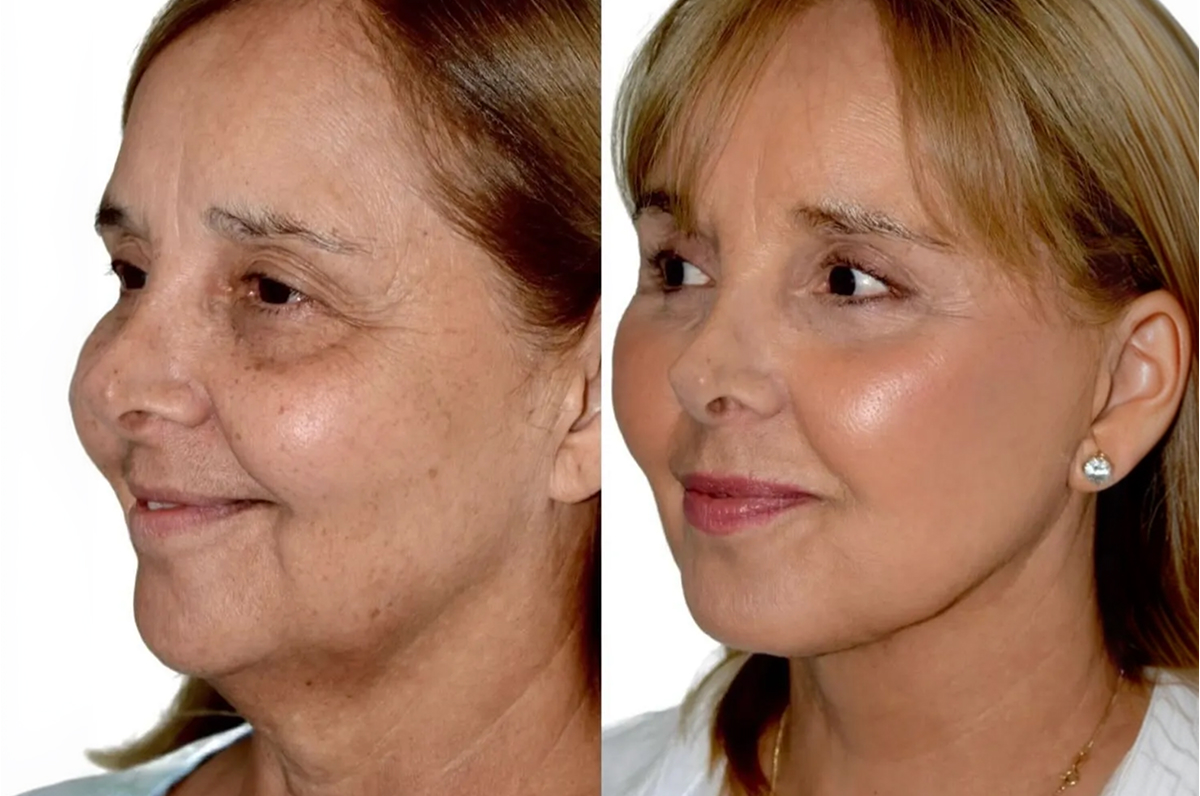
Why Proper Facelift Preparation Matters More Than You Think
Facelift surgery, also known as rhytidectomy, is a highly customized facial plastic surgery procedure. Preparation directly affects surgical safety, swelling, bruising, and overall recovery time. Patients who follow pre-operative instructions closely often feel more comfortable and prepared in the days surrounding surgery.
What Most Patients Worry About Before Facelift Surgery
Before an upcoming facelift, many patients worry about pain, downtime, visible incisions, and how they will manage daily activities during recovery. Others are concerned about medications they take regularly or whether lifestyle habits could interfere with healing. Addressing these concerns early allows the surgical team to guide adjustments that reduce risks and improve the healing process.
Medications to Stop Before Your Facelift
One of the most important parts of facelift preparation is reviewing medications and supplements. Certain substances can increase bleeding or interfere with healing and must be adjusted before surgery.
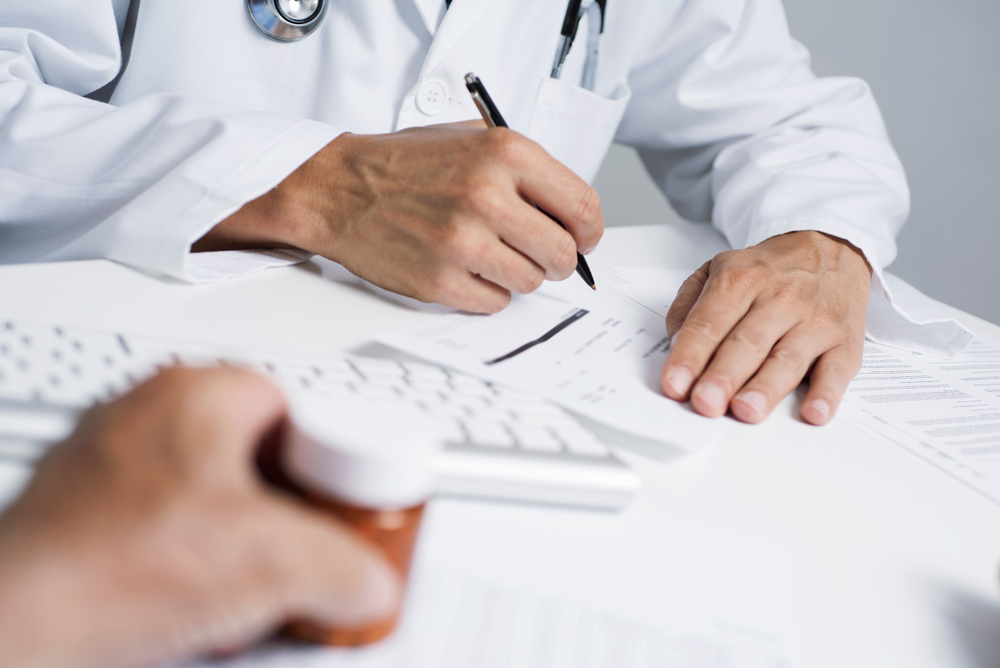
Blood Thinners and Pain Relievers to Avoid
Medications that thin the blood can increase bruising and bleeding during and after the facelift procedure. Common examples include aspirin and many over-the-counter anti-inflammatory pain relievers. These are typically stopped well before surgery, based on your surgeon’s instructions.
Patients should never discontinue prescription medications on their own. Any medication changes should be reviewed during your medical evaluation and discussed directly with Dr. Bustillo or his surgical team.
Supplements and Vitamins That Can Affect Healing
Some vitamins, herbal supplements, and natural remedies can also affect blood clotting or the body’s inflammatory response. Supplements marketed for heart health, immune support, or energy often fall into this category. Even products that seem harmless can influence surgical outcomes.
During your consultation, you’ll receive clear instructions on which supplements to stop and when, helping protect your safety during facial surgery.
Prescription Medications to Review Before a Facelift
Many patients take prescription medications for chronic health conditions. These do not automatically disqualify someone from facelift surgery, but they do require careful review.
Dr. Bustillo evaluates each patient’s overall health, medication list, and medical history to ensure that the surgical procedure is planned safely and appropriately.
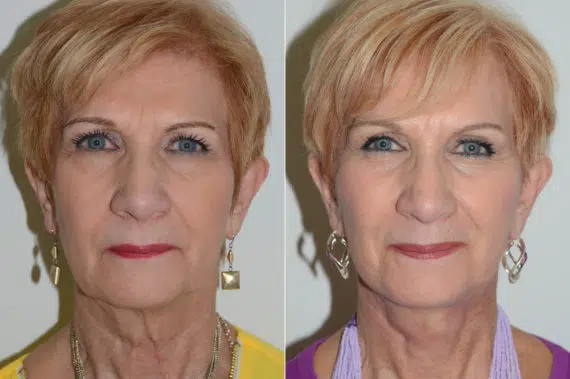
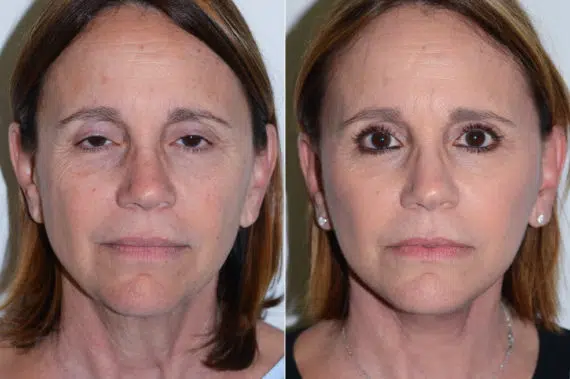
Lifestyle Changes That Support a Smooth Facelift Experience
Beyond medications, lifestyle habits play a meaningful role in recovery and final results.
Smoking and Vaping Adjustments Before Facelift Surgery
Smoking and vaping significantly impair circulation and delay healing. Nicotine reduces blood flow to the skin and deeper tissues, increasing the risk of complications and affecting incision healing. Patients are advised to stop smoking and vaping well in advance of facelift surgery and avoid resuming during recovery.
This adjustment is one of the most important steps patients can take to support optimal results.
Alcohol Use and Why Timing Matters
Alcohol can thin the blood and contribute to dehydration, both of which may worsen swelling and bruising. Reducing or eliminating alcohol intake in the weeks before surgery supports a healthier surgical environment and a smoother recovery period.
Nutrition and Hydration Habits That Support Recovery
Good nutrition helps the body heal. Eating balanced meals with adequate protein supports tissue repair, while proper hydration helps manage swelling and supports circulation. Patients are often encouraged to focus on nourishing foods leading up to surgery and during the initial healing phase.
Questions about your procedure?
Schedule a consultation with Dr. Andres Bustillo.
When to Make These Changes Before Your Facelift
Timing matters when preparing for a facelift procedure.
What to Adjust a Few Weeks Before Surgery
Morbi pretium nisi et dui facilisis, vel mollis purus rhoncus. Vestibulum lacinia pretium sapien, mollis cursus nisi efficitur a. Donec et mi lobortis ligula consequat blandit vel id ex. Curabitur ultrices est eget commodo malesuada. Etiam gravida efficitur metus, id vehicula ipsum aliquam in.
What to Stop or Modify in the Final Days
In the days immediately before surgery, patients follow specific pre-operative instructions related to eating, drinking, skin and hair preparation, and medications. These final steps help ensure a safe surgical day and reduce unnecessary stress.
Setting Up Your Home for a Comfortable Facelift Recovery
Preparing your home ahead of time makes the recovery period far more manageable.
Creating a Calm Recovery Space
A quiet, comfortable recovery area allows you to rest with your head elevated, which helps control swelling. Soft lighting, easy access to water, and a supportive pillow setup can make a significant difference during the first few days after surgery.
Helpful Items to Have Ready After Surgery
Patients often benefit from having prescribed medications filled in advance, along with cold compresses, gentle skin care products, and easy-to-prepare meals. Wearing clothing that opens in the front avoids unnecessary strain on the face and neck during dressing.
Planning Support and Downtime
Facelift recovery requires downtime. Planning for assistance with transportation, meals, and household tasks allows patients to focus on healing. Most patients need at least one to two weeks away from work and social activities, depending on the extent of their facial surgery and whether techniques such as a deep plane facelift were performed.
How Dr. Bustillo Helps You Prepare for a Facelift in Miami
Dr. Andres Bustillo is a double board-certified facial plastic surgeon who focuses exclusively on procedures of the face and neck. From your initial consultation through the recovery process, preparation is treated as a critical part of plastic surgery care.
Patients receive detailed, personalized instructions tailored to their facelift procedure, whether that involves a traditional approach or deep plane facelift surgery. Dr. Bustillo’s emphasis on education, safety, and realistic expectations helps patients feel informed and supported at every stage.
Schedule Your Facelift Consultation With Dr. Bustillo in Miami
Knowing how to prepare for a facelift makes the experience less stressful and sets the foundation for a smooth recovery and natural-looking results. A personalized consultation allows Dr. Bustillo to review your goals, perform a thorough medical evaluation, and create a surgical plan designed specifically for your face and neck.
If you are considering facelift surgery in Miami, FL, scheduling a consultation is the first step toward understanding your options and preparing with confidence.