Many patients are surprised to notice lingering neck laxity after facelift surgery. The face may look smoother and more refreshed, yet the neck still shows loose skin, banding, or a blurred jawline–neck transition. This can be frustrating, especially for patients who expected a face and neck lift to address both areas equally. Understanding why this happens requires looking beyond surface skin tightening and focusing on the deeper facial and neck structures affected by aging.
At the practice of Dr. Andres Bustillo in Miami, facelift surgery is approached as an anatomy-based procedure rather than a skin-only correction. When patients experience lingering neck laxity after a prior facelift, it can relate to the technique used, the extent of neck work performed, and individual anatomy and aging patterns. A deep plane facelift is specifically designed to address these underlying issues in a way that more superficial facelift procedures cannot.

Key Points to Understand About Neck Sagging After Facelift Surgery
- A traditional facelift may improve the face without fully correcting the neck.
- Loose neck skin often reflects deeper structural aging rather than surface skin laxity.
- Not all facelift techniques treat the face and neck equally.
- Neck banding and sagging are commonly related to deeper muscle and tissue changes.
- A deep plane facelift addresses the root causes of neck laxity more comprehensively.
Understanding Loose Skin After Facelift Surgery
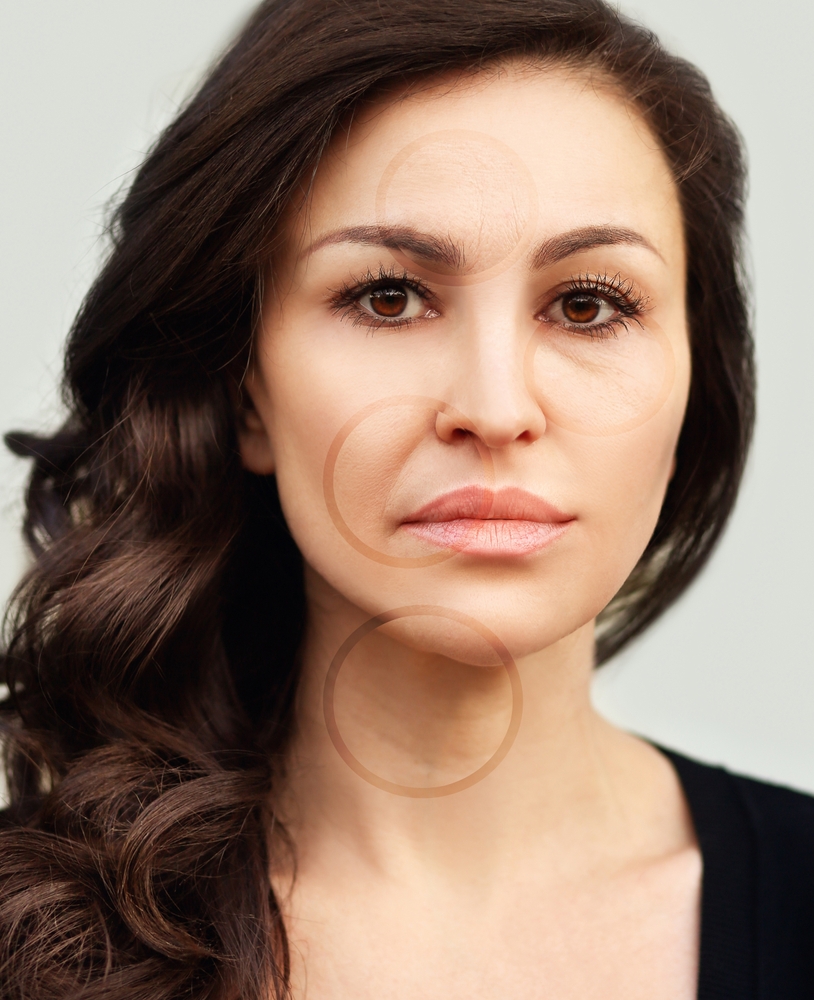
What Most People Expect a Face Lift or Face and Neck Lift to Fix
When patients think about facelift results, they often imagine smoother skin, fewer wrinkles, and a more youthful contour across the face and neck. Many assume that any facelift procedure automatically includes a neck lift and will eliminate sagging in both areas. In reality, facelift surgery varies widely in technique, depth, and anatomical focus.
Some procedures primarily address facial skin and superficial tissues, improving wrinkles and mild sagging in the cheeks and jawline. While this can create noticeable facial rejuvenation, it does not always correct deeper causes of neck aging such as muscle laxity or descended tissues.
Why Loose Skin After Facelift Can Still Occur
Loose skin after facelift surgery does not necessarily indicate a complication or surgical failure. Instead, it often reflects the limitations of certain facelift techniques. If the procedure focused mainly on skin tightening or superficial layers, the deeper facial and neck structures responsible for long-term support may not have been adequately repositioned.
As a result, the neck can continue to show sagging, especially over time, even when the facial results initially appear successful.
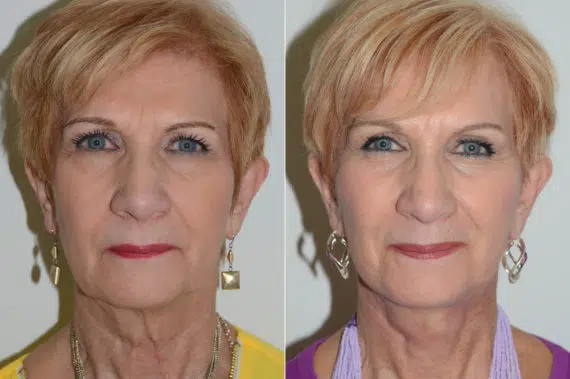
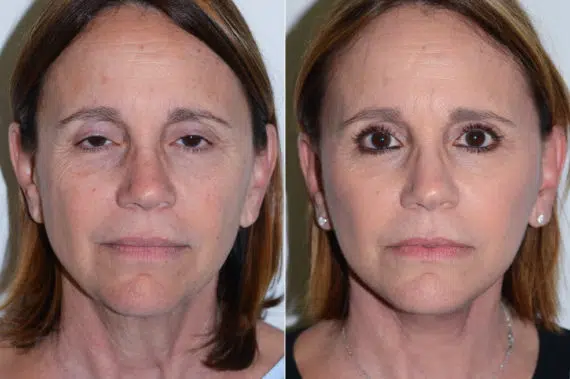

The Anatomy of Neck Aging
Facial aging affects more than just the skin. Over time, the deeper facial tissues, muscles, and ligaments descend due to gravity and loss of structural support. In the neck, the platysma muscle can separate and weaken, contributing to vertical banding and excess skin.
Skin laxity alone is only part of the picture. The relationship between the chin, jawline, and neck depends on deeper tissue positioning. When these structures are not addressed during facelift surgery, surface tightening alone cannot maintain a smooth, youthful neck contour.
Questions about your procedure?
Schedule a consultation with Dr. Andres Bustillo.
Common Reasons the Neck Still Looks Saggy After a Facelift
Facelifts Often Prioritize the Face Over the Neck
Many facelift procedures are designed primarily to rejuvenate the midface and lower face. While they may include limited neck tightening, the neck is not always treated as a central focus. This can lead to an imbalance where the face appears refreshed but the neck does not match the facial improvement.
Skin Tightening Alone Does Not Address Deep Structures
Skin-only facelifts rely on pulling and redraping the skin without repositioning deeper tissues. While this may temporarily smooth wrinkles, it does not correct the underlying descent of facial and neck structures. Over time, gravity continues to act on these untreated layers, allowing sagging to reappear.
The Platysma Muscle and Neck Banding
The platysma muscle plays a key role in neck appearance. If it is not properly addressed during surgery, patients may continue to see neck bands or loose skin even after a facelift procedure. Treating the platysma requires deeper surgical access than surface-level techniques provide.
Time and Continued Aging After Surgery
Even well-performed facelift surgery cannot stop the aging process. Over the years, facial tissues continue to change. Procedures that rely on superficial tightening may show earlier recurrence of neck laxity compared to techniques that reposition deeper structures more effectively.
Different Facelift Techniques and Their Impact on the Neck
Skin-Only Facelifts
Skin-only facelifts focus on tightening facial skin without adjusting deeper tissues. These procedures often have shorter recovery times but limited longevity, especially for the neck. Excess skin and banding may persist or recur relatively quickly.
SMAS Facelifts
SMAS facelifts address a deeper layer beneath the skin, offering improved facial support compared to skin-only techniques. However, depending on how they are performed, they may still provide limited correction for deeper neck structures.
Why Technique Choice Matters for Neck Longevity
The longevity of facelift results, particularly in the neck, depends heavily on whether the procedure corrects structural aging. Techniques that do not reposition the deeper facial and neck tissues may produce results that fade sooner or leave residual sagging.
What Is a Deep Plane Facelift?
How the Deep Plane Facelift Differs From Traditional Facelifts
A deep plane facelift is a facial plastic surgery technique that releases and repositions deeper facial tissues as a single unit. Instead of pulling skin tight, the procedure lifts the underlying facial structure, allowing the skin to drape naturally over newly restored contours.
This approach differs from traditional facelift surgery by focusing on anatomy rather than surface tension, which plays a critical role in neck rejuvenation.
Why Deep Plane Facelift Addresses the Root Cause of Sagging
By repositioning the deeper facial and neck tissues, the deep plane facelift directly addresses the causes of sagging rather than masking them. This allows for more natural-looking results and improved longevity, particularly in the neck and jawline.
How Deep Plane Techniques Improve Neck Appearance
Repositioning of Deeper Neck Structures
The deep plane approach allows the surgeon to lift and support deeper neck tissues, including structures connected to the lower face and jawline. This creates a smoother transition from the face to the neck
Improved Jawline–Neck Transition
Patients often notice a clearer jawline and improved neck contour after a deep plane facelift. Because the underlying support is restored, excess skin is reduced without excessive tension.
Why Deep Plane Reduces Loose Skin After Facelift
By correcting structural descent, the deep plane facelift reduces the likelihood of loose skin after facelift surgery. The skin follows the repositioned tissues naturally, resulting in smoother, more durable results.
Is Loose Skin After Face Lift Always a Surgical Failure?
Loose neck skin after facelift surgery does not automatically mean the procedure was poorly performed. In many cases, it reflects realistic limitations of the chosen technique. Patients who had less invasive procedures may still be good candidates for revision surgery using a deeper approach.
When Patients Start Noticing Neck Laxity After Surgery
Some patients notice neck laxity soon after surgery, while others see changes years later as aging continues. Procedures that do not address deeper tissues tend to show earlier changes in the neck compared to deep plane techniques.
Setting Better Expectations for Facelift and Neck Results
Understanding how different facelift procedures affect the neck helps patients make informed decisions. Not all face and neck lifts are the same, and realistic expectations are essential for satisfaction. An anatomy-based approach reduces disappointment and improves long-term outcomes.
Why Addressing the Neck Matters in Facelift Surgery
The neck plays a major role in overall facial rejuvenation. When facelift surgery focuses only on surface skin tightening, the neck may continue to look saggy or aged. Deep plane facelift techniques offer a more comprehensive solution by correcting the underlying causes of facial and neck aging.
Patients considering facelift surgery or revision should seek evaluation from a facial plastic surgeon who prioritizes structural anatomy. A consultation with Dr. Bustillo in Miami provides an opportunity to understand whether a deep plane facelift is appropriate and how it may improve both facial and neck results.

Why Trust Dr. Andres Bustillo for Long-Lasting Deep Plane Facelift Results
Dr. Andres Bustillo is a double board-certified facial plastic surgeon with over 20 years of experience focused exclusively on facial rejuvenation. His expertise in advanced techniques such as the Deep Plane Facelift allows him to address aging at its structural level — contributing to results that look natural and are designed to last. Credentials include:
- Double board-certified in facial plastic surgery and head & neck surgery
- Fellowship-trained in facial plastic & reconstructive surgery
- Extensive experience with deep plane facelift techniques
- Known for durable, natural-appearing facial rejuvenation results