









Reveal Youthful Eyes with Blepharoplasty Benefits
Eyelid surgery, eye lift surgery, or just blepharoplasty, is more than just a cosmetic procedure; it’s a rejuvenation journey. By addressing the delicate areas around the eyes, this surgery offers a transformative impact on one’s appearance and well-being. Its benefits extend beyond aesthetics, encompassing functional and emotional enhancements that can significantly uplift the quality of life.

Patient Testimonials: Real Stories, Real Results
Experience the remarkable transformations of our blepharoplasty patients as they share their personal stories and stunning results.
-

- AC


4.8(190)

4.8(190)

4.8(150)

Reasons to Consider Blepharoplasty
- Reduce fine lines and crow’s feet around the eyes.
- Tighten saggy eyelid skin for a more youthful appearance.
- Improve vision obstructed by drooping eyelid skin.
- Address cosmetic concerns caused by genetics and sun damage.
- Achieve long-lasting results that are not possible with non-surgical methods.
- Restore a more alert and rested look to your eyes.
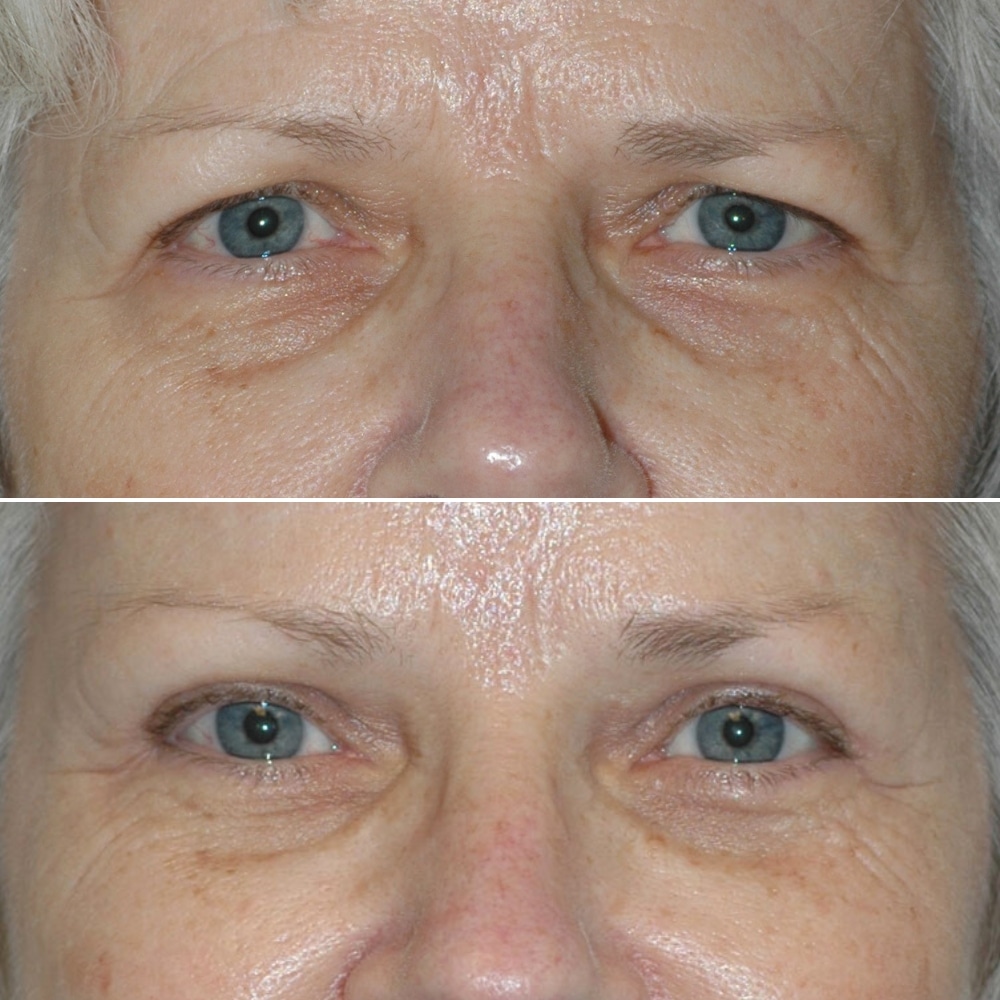
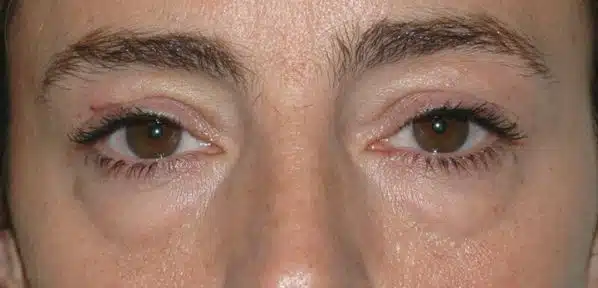
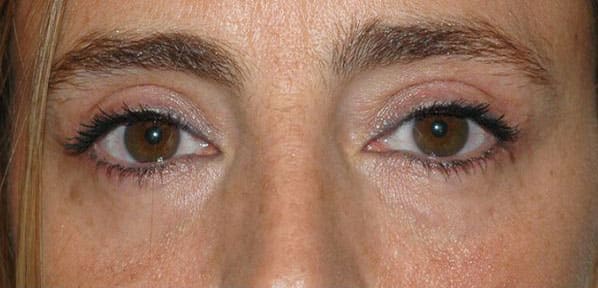
Blepharoplasty Before and After Photos
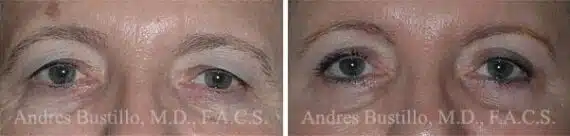
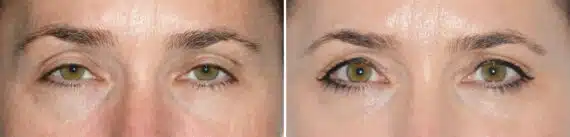
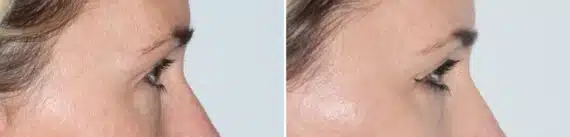
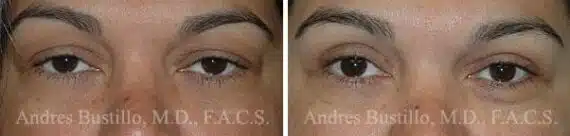
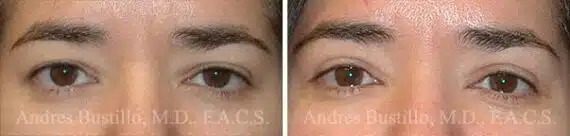
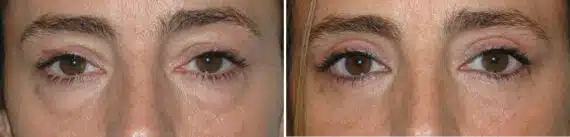
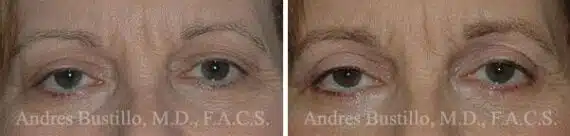
Each patient is unique and individual results may vary*.
Upper Eyelid Aging: Causes and Solutions
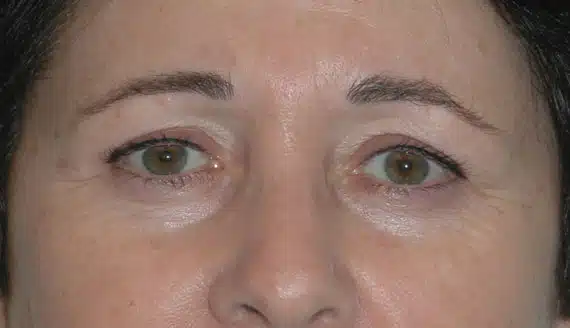
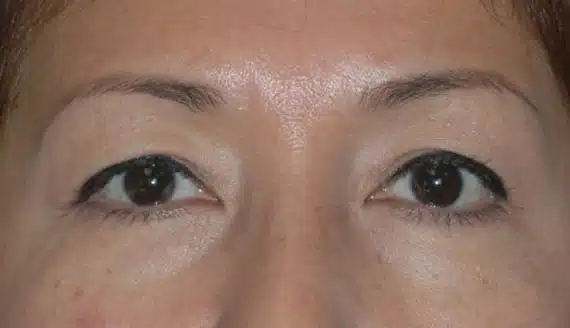
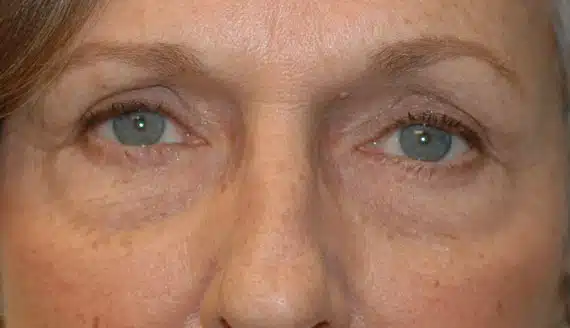
The upper eyelid shows evidence of aging almost before any other facial feature. Excessive sagging skin is first seen as it crowds and hides the crease of the upper eyelid. A small amount of fat often bulges out near the nose. When evaluating the upper eyelid, it is essential to differentiate between the aging upper eyelid and the descent of the eyebrow.
The eyebrow also descends with time. As it does, the brow skin crowds the upper eyelid, adding to the area’s fullness. To counsel the patient correctly, the surgeon must differentiate between a low brow and an aging eyelid (Figures 2, 3).
Occasionally, patients may need both blepharoplasty and brow lift surgery to rejuvenate the eyelid-eyebrow area.
Treating Lower Eyelid Bags with Blepharoplasty
The lower eyelid may age in one of two ways. Premature eyelid aging, which is hereditary, may occur. People with this hereditary condition begin to demonstrate lower eyelid “bags” during their late twenties and early thirties. Most people, however, begin to show signs of eyelid aging in their early forties.
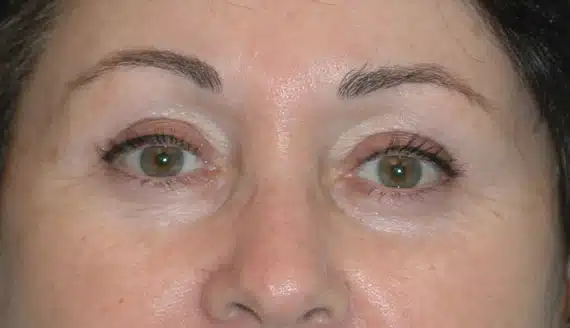
As the lower eyelid ages, the fat surrounding the eye begins to accumulate under the eye and develop the “bags” that are visible. The skin also begins to slack with age and develops wrinkles. The eyelid muscle can descend, giving the eyelid a droopy look (Figure 4).
As the malar fat (cheek fat) pad descends, a volume loss can develop between the lower eyelid and the cheek. This creates a line that sharply demarcates the lower eyelid from the cheek.

Ready to rejuvenate your look?
Schedule a consultation with Dr. Andres Bustillo.
Who are the Ideal Candidates for Blepharoplasty?
The ideal patient for an upper eyelid surgery is a woman or man who has begun to show signs of upper eyelid aging. The excess upper eyelid skin typically hangs or “hoods” over the eyelid .
The ideal patient for a lower eyelid blepharoplasty has developed lower eyelid “b”ags and/or has significant wrinkling of the lower lid skin. Patients with these physical characteristics often report having a “tired” look.
Many of these patients may also demonstrate a deep tear trough and hollowing of the eyelid-cheek junction. This hollowing is often treated at the same time as the eyelid surgery with fat transfer .
Patients can undergo surgery on the upper, lower, or both the upper and lower eyelids simultaneously. This provides excellent rejuvenation of the eyelid and cheek area, giving the patient a very rested appearance.

What to Expect During Your Blepharoplasty Consultation in Miami
Dr. Bustillo begins the blepharoplasty consultation in Miami with a frank discussion about the patient’s specific issues and concerns. He will want to know whether the eyelid has aged from early on, recently, or has progressed for a long time. Any ocular diseases, including symptoms of dry eye, must be discussed.
The doctor then performs a thorough facial and eyelid physical examination, examining the upper eyelid for skin redundancy.
The brow position is also examined. A descended brow may mimic upper eyelid redundancy. This is important, as performing an upper blepharoplasty on a normal upper eyelid with a low brow can pull the brow even lower. Patients with a low brow should consider a brow lift.
The lower eyelid is then examined. The amount of fat herniation and the strength of the lower eyelid are examined. Weak lower eyelids may require an additional lid-tightening procedure. The eye’s position in relation to the bony rim is then examined to help determine the technique that should be used for the surgery.
The patient and Dr. Bustillo then discuss the result he believes can be achieved with surgery. The patient should understand precisely what the blepharoplasty procedure will achieve for them so that an informed decision can be made. The procedure is explained in detail, and all questions are answered.
The Blepharoplasty Procedure
The upper blepharoplasty surgery aims to remove the redundant skin that overhangs the upper eyelid crease, often resulting in droopy eyelids and a tired appearance. This cosmetic surgery procedure is performed through an incision placed at the eyelid crease so that it is completely hidden.
The skin is marked carefully before surgery to ensure that the exact amount of loose skin is removed, which helps improve peripheral vision that the excess skin may obstruct.
During the procedure, loose skin is removed, and a small amount of fat is taken from the medial area (next to the nose). The incision is then closed with a tiny continuous stitch placed inside the skin to ensure that it heals well and is virtually invisible.
The stitch is removed on post-operative day five. Once it completely heals, the blepharoplasty scar will not be visible. Ideal candidates for this surgery are those looking to enhance their peripheral vision and reduce the aged appearance caused by excess skin around the upper eyelids.
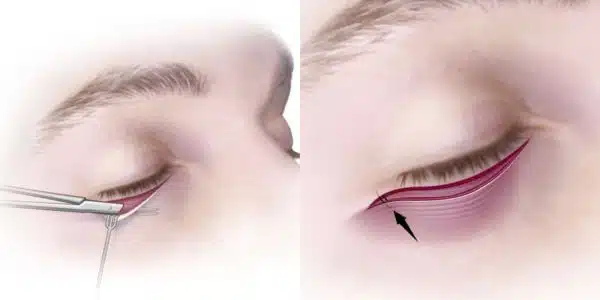
Lower blepharoplasty surgery aims to provide a smooth lower eyelid contour that blends seamlessly with the cheek, addressing issues such as dark circles and a tired appearance. This cosmetic surgery involves removing the fat that protrudes underneath the eye, eliminating some excess skin, and elevating and repositioning the eyelid muscle.
This procedure must be performed carefully to maintain the patient’s natural eyelid shape and avoid malposition, which is a change in the lower eyelid position that can occur from a poorly performed blepharoplasty.
Lower Eyelid Surgery Techniques
Skin Muscle Flap Technique
- Performed through an incision just underneath the eyelashes.
- The skin and muscles are elevated to reach the fat pockets.
- The fat pockets are then removed. The amount removed must be just the right amount. If too much is removed, the eye may appear hollow after surgery. If too little is removed, bulges will remain visible after surgery.
- After the fat is removed, the surgeon tightens the eyelid muscle. This allows the contour of the eyelid to blend with the cheek and tightens the eyelid to prevent any eyelid malposition.
- The incision is then closed with a tiny continuous stitch.
This is Dr. Bustillo’s preferred technique for patients with lower eyelid aging. It allows him to remove excess fat and tighten the eyelid muscle, rejuvenating the lower eyelid and cheek complex.
Trans-Conjunctival Technique for Lower Eyelid Surgery
Preferred for young patients who need little to no skin removal or patients with very prominent eyes.
It involves an incision inside the eyelid to access the fat. The fat is then removed, and a small pinch of skin may be removed, if necessary, from underneath the eyelashes.
Dr. Bustillo often combines fat transfer with lower eyelid surgery, known as transconjunctival blepharoplasty. This allows him to carefully blend the eyelid-cheek junction to make it smooth. Fat transfer also allows him to fill in the tear trough, the valley that runs from the inner corner of the lower eyelid to the cheek.

Blepharoplasty Cost with Dr. Bustillo
The cost of a blepharoplasty operation can vary from doctor to doctor, patient to patient, and city to city. Jessica, our patient care coordinator, will personally meet with you after you have consulted with Dr. Bustillo.
The upper and lower blepharoplasty surgeries with Dr. Bustillo start at $6,000 each and include operating room fees. These procedures are performed using oral sedation and local anesthesia. The quad blepharoplasty procedure starts at $11,000 and includes all related costs. The cost of the laser and lower blepharoplasty surgery with Dr. Bustillo includes operating room fees and anesthesia.
How to Prepare for Your Eye Lift Procedure
Dr. Bustillo requires that all patients obtain pre-operative labs. If the patient is older than 45 years, a medical clearance is required. The patient should stop taking any anti-inflammatory medications (such as aspirin, ibuprofen), vitamin A, and St. John’s wort ten days before the surgery. These medications can affect blood clotting and may cause excessive bleeding or bruising.
Patients should avoid alcohol five days before surgery to avoid swelling. Patients are required to start high-dose vitamin C two weeks before and two weeks after to help with the healing and to reduce bruising.

Types of Anesthesia for Blepharoplasty
In Miami, blepharoplasty can use different types of anesthesia based on the patient and the procedures involved. For upper eyelid surgery alone, Dr. Bustillo prefers local anesthesia with light oral sedation, though IV sedation is also an option if the patient prefers.
IV sedation is preferred for lower or combined upper and lower eyelid surgeries. If the procedure is combined with a facelift or another procedure, IV sedation or general anesthesia may be needed.
Dr. Bustillo performs these surgeries in his certified surgical suite. He believes patients recover best outside a medical environment, so he allows them to go home or to their hotel on the same day. Board-certified anesthesiologists from the Baptist Hospital Anesthesiology Department oversee all surgeries with anesthesia.
Understanding the Risks and Potential Complications of Blepharoplasty
The surgical risks associated with blepharoplasty are rare. The risk of a hematoma, or collection of blood under the skin, is about one percent. If this occurs, it can be drained in the office under local anesthesia. Chemosis, or swelling of the inner lining of the eyelid, is also rare and occurs less than 1% of the time. If it does happen, it is easily treated with steroid drops and lubricating eye drops and usually resolves in a week or so.
Occasionally, Millia, or small cysts, may form on the incision. If these occur, they can easily be removed under local anesthesia in the office. Infections are extremely rare in the eyelids. When a skilled surgeon who routinely performs eyelid surgery undertakes a blepharoplasty, the rate of complications is very low.
During eyelid surgery, it is extremely important to be conservative in removing tissue to maintain the natural eyelid crease. The surgeon may sometimes be faced with a decision during the surgery—should they take more skin or fat or leave it behind? Because the margin for error is very small in the eyelids, Dr. Bustillo believes it is always better to take less than more. This conservative approach ensures that the surgery aligns with the patient’s cosmetic goals and enhances the facial appearance naturally.
For this reason, Dr. Bustillo may schedule a follow-up appointment several months later to take a little more skin and fat if necessary. This is Dr. Bustillo’s philosophy regarding eyelid surgery, and he sees very few complications from eyelid surgery in his practice as a result.
Blepharoplasty Recovery: What to Expect
You’ll be discharged home the same day as your surgery. Expect swelling and bruising around your eyes, with 70% of the swelling resolving in the first two weeks. The remaining swelling can take eight to twelve weeks to disappear entirely. Most patients return to work by Day 7.
Over time, the final results will become more apparent, typically making you look five to seven years younger, with high satisfaction. If you experience significant pain, contact Dr. Bustillo, as it may indicate bleeding under the skin.
Blepharoplasty Recovery Timeline
- Spend the first night quiet and relaxed.
- Follow a liquid diet for the first 12 hours.
- Keep head elevated with two pillows.
- Apply small zip-lock bags filled with frozen peas to the eyes for 10 minutes at a time.
- Use Tylenol for minor discomfort.
- Rest with your head elevated and apply cold compresses to reduce swelling.
- Continue to see some swelling and bruising, but these symptoms will begin to diminish.
- Avoid strenuous activities.
- On Day 5, visit Dr. Bustillo to remove stitches.
- Visible bruising and swelling should have mostly subsided.
- Patients feel comfortable returning to work and other everyday activities
- Vigorous exercise should still be avoided.
- Significant improvement in appearance.
- Incision lines will continue to fade and mature.
- Complete healing of the surgical areas may take several months.
- Final results may not be completely evident until two to three months after surgery.

Why Choose Dr. Andres Bustillo?
Choose Dr. Andres Bustillo for your blepharoplasty to achieve natural, rejuvenated results from a surgeon with over 20 years of expertise. Known for his meticulous approach, Dr. Bustillo is a double board-certified plastic surgeon in Miami who has earned international acclaim in facial aesthetics.
Dr. Bustillo’s commitment to excellence ensures natural-looking outcomes that enhance your unique beauty. His advanced, gentle techniques and extensive experience in both surgical and non-invasive procedures make him a trusted choice for eyelid rejuvenation.
He has shared his expertise with surgeons worldwide and regularly educates students, residents, and physicians in facial rejuvenation surgery. Dr. Bustillo has published numerous articles and book chapters on aesthetic facial surgery and is a frequent speaker on local radio.
- Best Doctor’s 2020-2021
- Castle Connolly Top Doctor for more than 10 years
- Diplomate American Board of Facial Plastic and Reconstructive Surgery
- Diplomate American Board of Otolaryngology-Head and Neck Surgery
- Facial Plastic & Reconstructive Surgery Fellowship at The New York University
- Otolaryngology-Head & Neck Surgery Residency at The University of Miami, Jackson Memorial Hospital
- General Surgery Internship at The University of Miami, Jackson Memorial Hospital