Deep plane facelift recovery begins immediately after surgery, and the first 72 hours play an important role in healing, comfort, and early results. Understanding what happens during this early recovery period helps patients prepare for normal symptoms, follow postoperative instructions, and approach the healing process with confidence.
A deep plane facelift is an advanced facial rejuvenation procedure that repositions deeper facial tissues to restore natural contours of the face and neck. Because the procedure involves lifting underlying structures and carefully placed incisions, temporary swelling, bruising, and tightness are expected in the first few days. With proper postoperative care and guidance from a qualified facial plastic surgeon, most patients experience steady improvement as recovery progresses.

What to Know About the First 72 Hours After Surgery
- The first 72 hours are a critical part of deep plane facelift recovery and early healing.
- Swelling, bruising, and tightness are normal during the initial recovery period.
- Rest and sleep support the healing process and help reduce discomfort.
- Following postoperative instructions supports a smooth recovery timeline.
- Early symptoms typically improve gradually over the first several days.
Why the First 72 Hours After a Deep Plane Facelift Are Important
The earliest stage of facelift recovery sets the foundation for healing and long-term results. During this time, the body begins repairing tissues, managing inflammation, and adapting to repositioned facial structures.
The deep plane technique involves lifting deeper layers of the face and neck to restore definition and improve facial contours. Because of this structural repositioning, early swelling and tightness are part of the normal recovery process. Careful monitoring and adherence to instructions help support safe healing and minimize potential complications.
What Happens Immediately After Deep Plane Facelift Surgery (First 24 Hours)
Immediately Waking Up After Surgery
After deep plane facelift surgery, patients recover under supervision before returning home according to the surgical plan. The face may feel tight, and dressings or bandages may be present to support healing incisions.
Temporary swelling and bruising are common immediately after surgery. The surgical team provides detailed postoperative instructions regarding rest, activity limitations, and incision care.
Swelling and Tightness
Swelling typically begins soon after the surgical procedure and may increase during the first day. The face and neck may feel firm or tight due to tissue repositioning and normal postoperative inflammation.
Keeping the head elevated and limiting activity may help reduce swelling and support comfort during this stage of deep plane facelift recovery.
Discomfort and Pain Levels During the First Day
Mild to moderate discomfort is expected after facelift surgery. Patients may experience soreness, pressure, or tightness rather than significant pain. The surgeon provides guidance for managing discomfort and supporting the healing process.
Most symptoms improve gradually as recovery progresses.
The Importance of Rest and Sleep the First Night
Rest and sleep are especially important during the first night after surgery. Limiting movement, keeping the head elevated, and following postoperative instructions help support healing incisions and reduce swelling. Adequate rest allows the body to begin tissue repair and supports a smoother recovery experience.
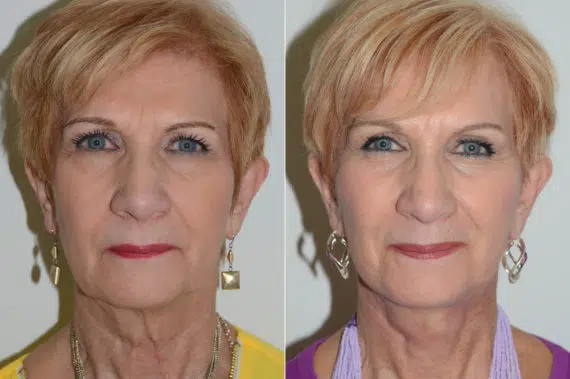
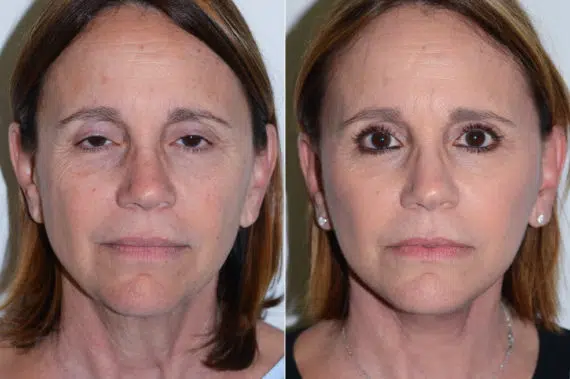
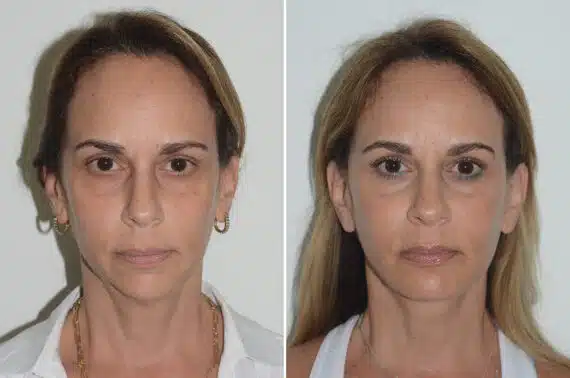
What to Expect Between 24 and 48 Hours After a Deep Plane Facelift
During the second day of deep plane facelift recovery, swelling and bruising may become more noticeable before gradually improving. This progression is a normal part of the healing process.
Patients may notice:
- increased swelling around the face and neck
- visible bruising near incision sites
- continued tightness or mild discomfort
Rest, limited activity, and proper incision care support the recovery process. Patients should continue following personalized instructions from their surgeon.
What to Expect Between 48 and 72 Hours After Surgery
By the third day after surgery, some patients may begin to feel more comfortable as early healing progresses, although swelling and bruising may still be present. The body continues repairing tissues, and early healing of incisions advances.
Common experiences during this stage include:
- persistent but stabilizing swelling
- gradual reduction in discomfort
- continued tightness in treated areas
- ongoing healing of incision sites
Recovery varies among patients, but gradual improvement is typically expected during the first several days after facelift surgery.
What Is Normal After a Deep Plane Facelift and What Is Not
Understanding normal symptoms helps patients recognize when healing is progressing as expected.
Normal Symptoms After Deep Plane Facelift Surgery
Normal early recovery symptoms may include:
- swelling of the face and neck
- bruising near incisions
- mild discomfort or tightness
- fatigue during the early recovery period
- temporary changes in sensation as healing progresses
These symptoms typically improve as healing continues.
When to Contact Your Facelift Surgeon
Patients should contact their surgeon if they experience unusual symptoms such as worsening pain, sudden swelling, signs of infection, or concerns about healing incisions. Prompt communication helps ensure appropriate care if needed.
Questions about your procedure?
Schedule a consultation with Dr. Andres Bustillo.
Why Surgeon Expertise Matters in Facial Plastic Surgery Recovery
The experience of a facial plastic surgeon influences surgical precision, tissue handling, and postoperative guidance. Careful surgical technique and detailed recovery instructions support predictable healing and optimal results.
Choosing a qualified surgeon with experience in deep plane facelift surgery supports patient safety and a smoother recovery timeline.
Tips to Support a Smooth Deep Plane Facelift Recovery
Following postoperative instructions and prioritizing healing can help improve comfort during the early recovery period.
Patients may be advised to:
- rest and sleep with the head elevated
- avoid strenuous activity or heavy lifting
- follow incision care instructions carefully
- attend scheduled follow-up visits
- allow adequate time for healing
Personalized guidance from the surgeon supports a safe recovery process.

Early Recovery and the First Week After a Deep Plane Facelift
Recovery timelines vary, but patients typically experience gradual improvement in comfort during the early recovery period. Swelling and bruising continue to improve over the following weeks, and final results develop as healing progresses over time. Patience and adherence to postoperative instructions support optimal results.
Schedule Your Deep Plane Facelift Consultation in Miami
Patients considering deep plane facelift surgery can schedule a consultation with Dr. Andres Bustillo in Miami, Florida, to discuss candidacy, recovery expectations, and treatment goals.

Why Trust Dr. Andres Bustillo for Long-Lasting Deep Plane Facelift Results
Dr. Andres Bustillo is a double board-certified facial plastic surgeon with over 20 years of experience focused exclusively on facial rejuvenation. His expertise in advanced techniques such as the Deep Plane Facelift allows him to address aging at its structural level — contributing to results that look natural and are designed to last. Credentials include:
- Double board-certified in facial plastic surgery and head & neck surgery
- Fellowship-trained in facial plastic & reconstructive surgery
- Extensive experience with deep plane facelift techniques
- Known for durable, natural-appearing facial rejuvenation results
Frequently Asked Questions About Deep Plane Facelift Recovery
Early improvement becomes visible as swelling decreases, but final results develop gradually as healing progresses over several months.
Return to normal activities varies by individual and depends on healing progress. The surgeon provides personalized guidance based on recovery.
The deep plane technique repositions deeper facial structures rather than tightening the skin alone, which can produce natural-looking and long-lasting facial rejuvenation results.
Facelift incisions typically heal within the first few weeks, but scars continue to improve over time. Most scars from a deep plane facelift fade and mature over 6–12 months, depending on individual healing and postoperative care.