Dermal fillers can refresh your look for a while. But as facial tissues change over the years, you may start to feel that injections aren’t enough anymore. If you still look tired despite fillers, you may be wondering when to get a facelift to achieve results that look more lifted and last longer.
In Miami, Dr. Andres Bustillo — a double board-certified facial plastic surgeon — specializes in the deep plane facelift. This advanced facial rejuvenation procedure lifts the deeper layers of the face to restore youthful structure, natural movement, and confidence that fillers can’t provide on their own.
Aging affects more than volume — it also changes the deeper support system of the face. Knowing when to transition from injectables to a surgical solution can help you maintain your natural, refreshed appearance.
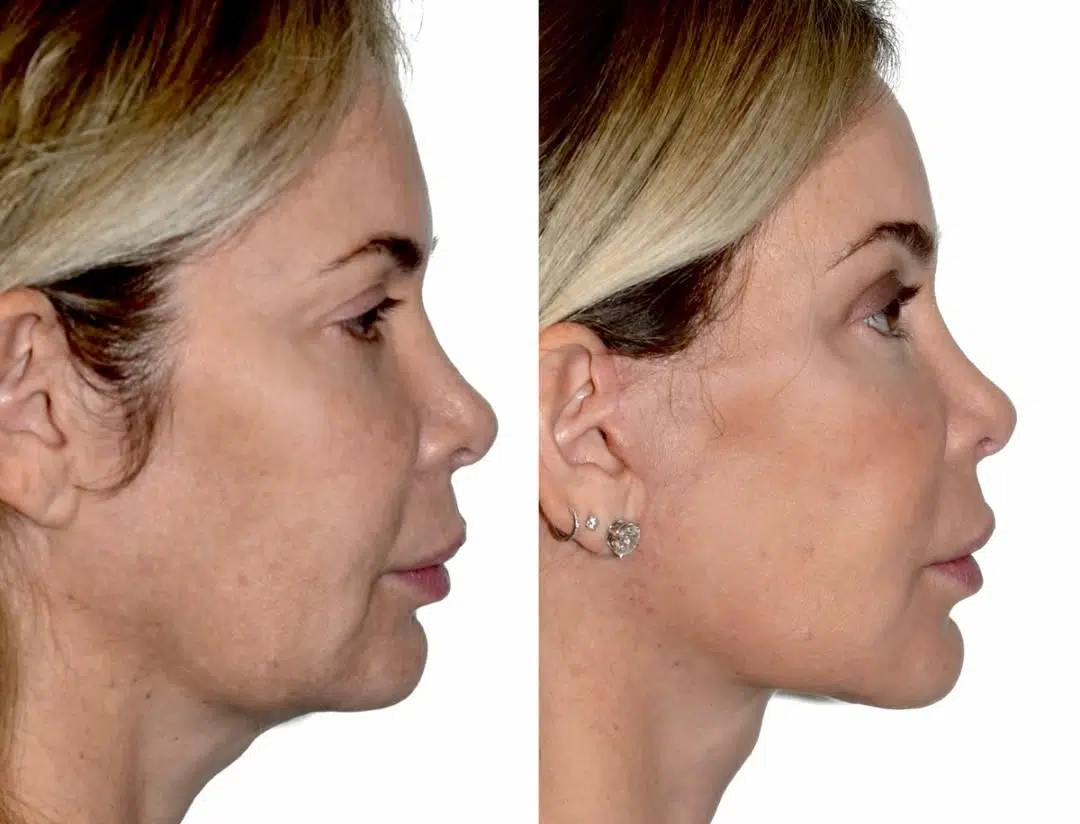
Why Fillers Aren’t Solving the Tired Look Anymore
In the earlier years of facial aging, fillers work beautifully to replace lost volume and soften fine lines. But over time, deeper structures change — the facial muscles, ligaments, and skin elasticity weaken. Instead of simply losing volume, the facial tissues begin to descend. This may look like:
- Heavier nasolabial folds
- Persistent under-eye hollows
- Sagging in the lower face
- Soft or less defined jawline
- A tired or weighed-down expression
Adding more filler can lead to puffiness or distort natural proportions. At this stage, a facelift procedure becomes a more effective way to restore lift, not just volume.
Benefits of Deep Plane Facelift Surgery
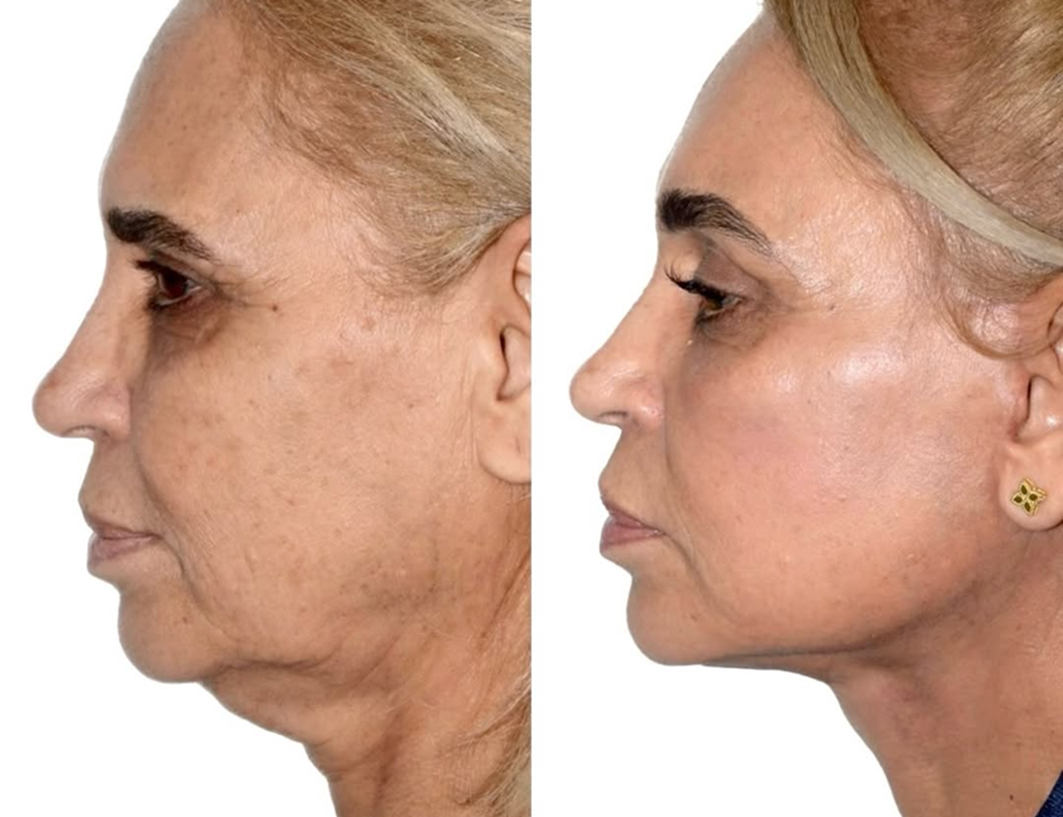
A traditional facelift mainly tightens the skin. A deep plane facelift lifts and supports the deeper muscle layer, allowing the cheek and jawline to be repositioned where they once were — not just pulled tighter.
Key benefits include:
- Restoring youthful appearance from the deeper structures
- Creating a smoother jawline without a stretched look
- Softening smile lines and marionette folds more effectively
- Preserving natural facial movement and expression
- Delivering results that often last significantly longer than injectable treatments or mini facelift options
By focusing on where aging truly occurs, this approach delivers a refreshed — never “worked on” — look.
Candidate Evaluation: When Fillers Aren’t Enough
There is no strict age limit for facelift surgery. Instead, age considerations depend on your anatomy and how your face is aging. Many patients seek surgery in their 40s to 60s, though some benefit earlier depending on their anatomy and goals.
You may be a good surgical candidate if:
- Fillers fade quickly and results are minimal
- Skin laxity is moderate to severe
- Sagging cheeks affect facial expression
- You want stronger jawline definition
- You are in good general health with realistic expectations
One of the advantages of choosing surgery at the right time is that tissues are still strong enough to support excellent results — a reason some people have surgery sooner rather than later.
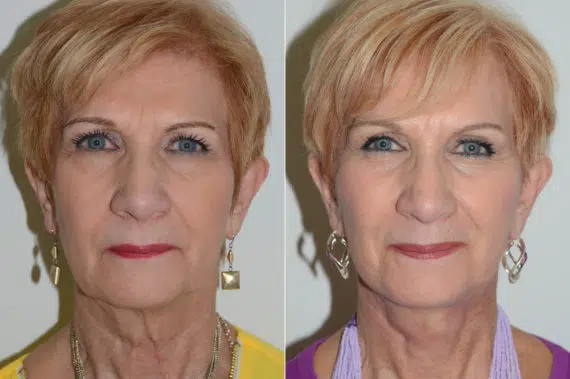
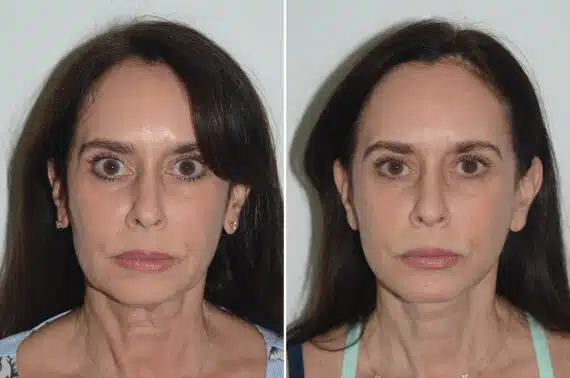
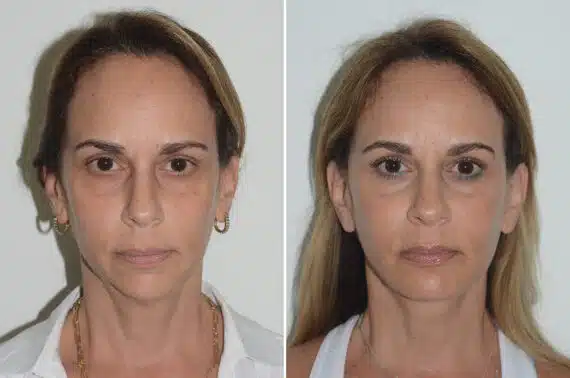
The Deep Plane Facelift Procedure in Miami
During facelift surgery, Dr. Bustillo gently releases and lifts the deeper layers of the face before repositioning the skin. This helps avoid tension on the surface and maintains a smooth, natural contour.
For complete facial rejuvenation, the facelift procedure may be combined with other cosmetic procedures when appropriate, such as:
- Eyelid surgery to refresh tired eyes
- Fat grafting for subtle volume improvement
- Brow lifts to open the upper face
- Rhinoplasty if nose shape also affects facial harmony
Each plan is custom-designed based on the signs of aging you want to correct and the long-term aesthetic goals you have.
Recovery: What Patients Can Expect
Most patients feel comfortable returning to daily activities around 2–3 weeks after surgery, although healing varies from person to person. Swelling continues to improve over several weeks, and the surgical outcomes refine over a few months.
A general timeline:
- Week 1: swelling and tightness begin to settle
- Weeks 2–3: back to social routines with makeup or hairstyling
- Months 3–6: lifted contours fully mature as tissues heal
Dr. Bustillo places incisions carefully around the ear and hairline to keep them discreet. His detailed aftercare guidance supports a smooth recovery time and long-lasting improvements.
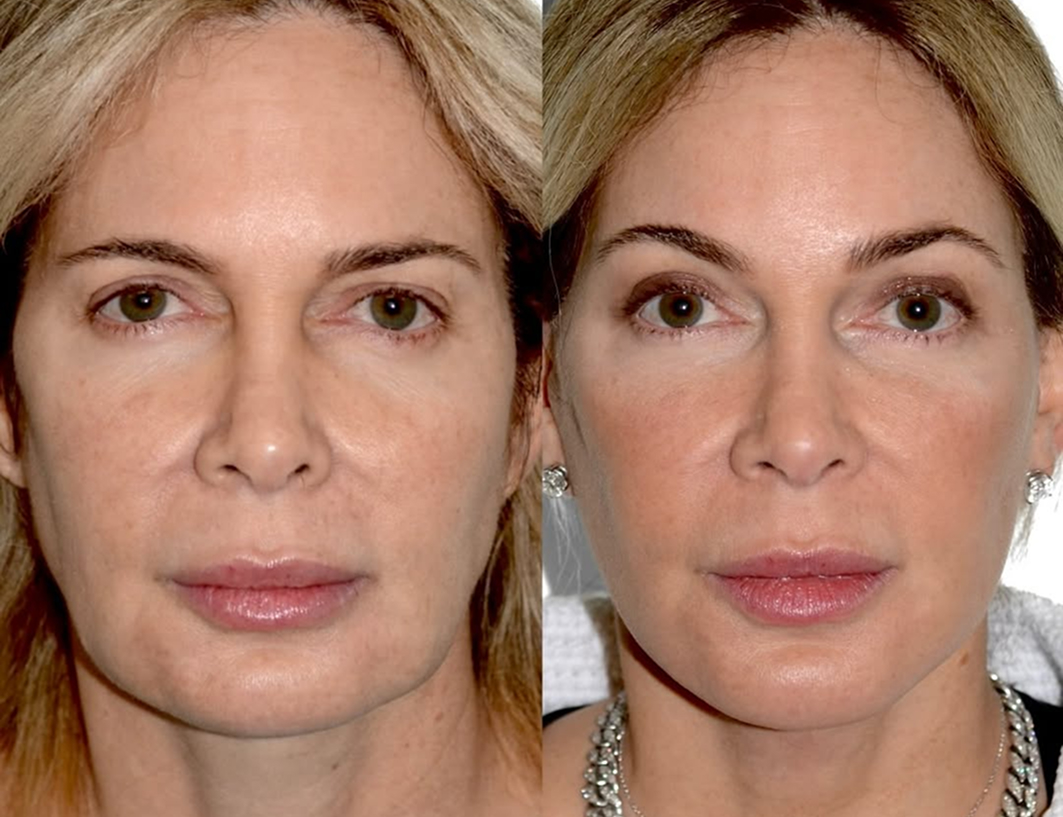
Questions about your procedure?
Schedule a consultation with Dr. Andres Bustillo.
Why Choose a Facial Plastic Surgery Expert?
A deep plane facelift is a specialized technique that requires advanced knowledge of facial anatomy. Dr. Bustillo focuses exclusively on plastic surgery of the face and neck, ensuring precision and natural-looking surgical solutions.
Patients choose him because:
- He is double board-certified in Facial Plastic & Reconstructive Surgery and Otolaryngology
- He tailors every procedure to preserve individuality and natural expression
- He has years of dedicated expertise in facial surgical techniques
With the right surgeon, the benefits of facelift surgery are not only cosmetic — they help you look like yourself, rested and rejuvenated.
Cost and Planning for the Future
The cost of a facelift varies based on several factors, including whether additional procedures are recommended. While nonsurgical treatments may seem less expensive initially, repeated filler visits over the years can exceed the investment in facelift surgery — and still not deliver the same lift.
During your private consultation, Dr. Bustillo reviews all pricing details and financing options so you can move forward confidently.
Ready for a Natural Lift That Lasts?
If fillers no longer refresh your look the way they once did, it may be the right time to explore a deep plane facelift. A single procedure can address signs of aging, improve the appearance of wrinkles, and restore structure in a way dermal fillers simply cannot.
To learn whether a deep plane facelift is right for you, schedule a personal consultation with Dr. Bustillo in Miami. His expertise helps patients feel balanced, confident, and genuinely refreshed — not overdone.
Frequently Asked Questions
There is no exact age, but many people consider a deep plane facelift in their 40s to 60s when skin elasticity declines and fillers no longer give enough support. The right time depends on your facial anatomy and how much lifting the tissues need.
If fillers create puffiness, do not lift the cheeks, or your tired look returns quickly, surgery may be the better choice. A facelift addresses drooping facial tissues rather than masking them with added volume.
Yes. Because the deeper layers are repositioned, the procedure improves the jawline, nasolabial folds, and lower-face heaviness more effectively than surface tightening techniques or other facelifts.