Numbness after deep plane facelift surgery is a common concern for patients considering facial rejuvenation. Temporary changes in skin sensation, including numbness and tingling, are a normal part of the healing process as the face recovers from surgery and nerve pathways gradually restore function. Understanding what to expect during facelift recovery helps patients feel more confident and prepared.
A deep plane facelift works beneath the surface of the skin to reposition deeper facial structures that contribute to visible aging in the face and neck. Because the procedure involves lifting and repositioning tissue near small sensory nerves that provide feeling to the skin, temporary facial numbness is expected in many cases. These changes affect sensation only — not the motor nerves responsible for facial movement or expression. Most patients experience gradual improvement in sensation as healing progresses.

What to Know About Numbness After Surgery
- Numbness after deep plane facelift surgery is usually temporary and improves as nerve function recovers.
- Tingling sensations often signal returning nerve activity during the healing process.
- The degree of numbness varies depending on individual healing and the extent of surgery.
- Most patients experience steady improvement over weeks and months after surgery.
- A consultation with an experienced facelift surgeon helps ensure safe recovery and optimal results.
Is Numbness Normal After a Deep Plane Facelift?

Yes. Temporary facial numbness is a normal part of deep plane facelift recovery. During facelift surgery, tissues of the face and neck are repositioned to restore youthful contours and remove excess skin. This process can temporarily affect small sensory nerves that provide feeling to the skin.
Patients may notice areas of numbness, reduced sensation, or mild tingling around the cheeks, jawline, ears, or neck after the surgical procedure. These changes typically improve as the healing process progresses.
Unlike permanent nerve damage, temporary numbness reflects normal recovery and gradual restoration of nerve function.
Why Numbness Occurs After a Deep Plane Facelift
The Role of Sensory Nerves in the Face
Sensory nerves throughout the face provide feeling to the skin, including temperature, touch, and pressure. These delicate nerve pathways travel beneath the skin and through deeper facial tissues that are repositioned during facelift surgery.
Because facial plastic surgery requires careful lifting of tissue layers, these nerves may be temporarily stretched or affected during the procedure. This can lead to temporary changes in sensation while tissues heal.
How the Deep Plane Technique Affects Sensation
Like any facelift procedure, the deep plane technique involves repositioning facial tissues to restore structural support and facial contours. During healing, temporary changes in sensation may occur as surrounding tissues recover and nerve function gradually returns.
In skilled hands, surgical technique prioritizes preservation of facial nerves while achieving natural-looking lifting.
Why the Deep Plane Facelift Is Considered Safe
When performed by an experienced facial plastic surgeon with detailed knowledge of facial anatomy, deep plane facelift surgery is designed to protect critical nerve structures. Careful surgical technique supports nerve preservation and minimizes the risk of permanent nerve damage.


How Long Does Numbness Typically Last After a Deep Plane Facelift?
Recovery time varies by individual, but most patients experience gradual improvement in sensation over time.
General expectations include:
- noticeable numbness during the early weeks after surgery
- gradual return of sensation over several months
- continued improvement as tissues heal
- subtle residual numbness in some areas for a longer period in certain cases
The recovery process differs for every patient, and sensation typically improves gradually as healing progresses.
What Areas of the Face Are Most Commonly Affected?
Numbness may occur in areas where incisions are placed or tissues are repositioned. Common areas include:
- skin around the ears
- cheeks and jawline
- areas of the face and neck
- regions near incision sites
These areas typically regain normal sensation as nerve function returns during the healing process.
Timeline of Nerve Healing After Deep Plane Facelift Surgery
The healing course varies among patients, but general recovery patterns include gradual improvement over time.
Weeks 1–4: Early Healing Phase
During the first few weeks after surgery, numbness and reduced sensation are most noticeable. Patients may also experience mild tingling or tightness in treated areas.
Bruising and swelling after a deep plane facelift can temporarily affect sensation during this stage.
Months 1–3: Early Sensation Returns
As healing progresses, patients often notice gradual improvement in sensation. Areas of numbness may begin to shrink, and tingling sensations may occur as nerve function continues to recover.
Several Months After Surgery: Continued Improvement
Subtle changes in sensation may continue for several months after surgery as tissues heal and adjust. The pace of recovery varies depending on individual healing response and the extent of surgery.
Questions about your procedure?
Schedule a consultation with Dr. Andres Bustillo.
Signs That Nerve Recovery Is Progressing Normally
Normal nerve healing often includes gradual changes in sensation rather than immediate improvement.
Signs of normal recovery may include:
- tingling or “pins and needles” sensations
- gradual return of feeling to treated areas
- decreasing areas of numbness over time
- steady improvement in sensation
These changes reflect the normal healing process and restoration of nerve function.
When Should You Be Concerned About Persistent Numbness During Facelift Recovery?
While temporary numbness is expected, certain symptoms may require evaluation by a surgeon.
Patients should contact their surgeon if they experience:
- numbness that worsens instead of improving
- persistent loss of sensation beyond the expected recovery period
- significant pain or unusual symptoms
- changes in facial movement or expression
Prompt evaluation helps ensure appropriate treatment if needed.

Case Study
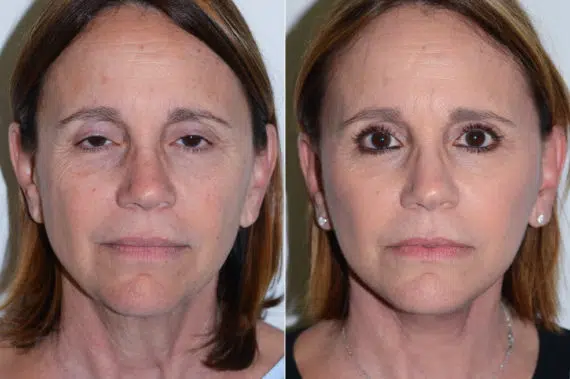
Deep Plane Facelift Exceeding Patient Expectations
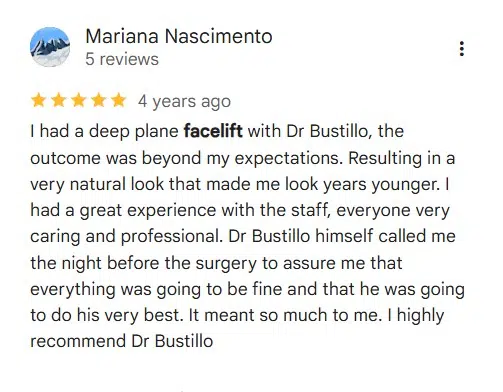
Patient: Mariana Nascimiento
Visit Type: Facial Plastic Surgery
- Deep Plane Facelift (Left)
How Surgeon Expertise Influences Nerve Preservation and Recovery
The experience of a facelift surgeon plays an important role in protecting facial nerves and supporting optimal recovery. Knowledge of facial anatomy, careful handling of tissue, and precise surgical technique help minimize complications and support the healing process.
Choosing a qualified facial plastic surgeon helps reduce the risk of nerve injury and supports predictable results.
Supporting a Smooth Recovery After Facelift Surgery
Following postoperative instructions supports nerve healing and overall recovery.
Helpful recovery tips may include:
- protecting incision sites
- avoiding pressure on the face and neck
- allowing adequate rest during healing
- attending follow-up visits with the surgeon
- following personalized recovery guidance
Patients should always follow their surgeon’s recommendations for optimal healing.
Schedule Your Deep Plane Facelift Consultation in Miami
Understanding the healing process and recovery timeline helps patients feel confident about facial rejuvenation surgery. A personalized consultation allows patients to discuss numbness after deep plane facelift surgery, recovery expectations, and treatment goals.
Patients in Miami, Florida, can schedule a consultation with Dr. Andres Bustillo to learn more about deep plane facelift procedures and expected recovery.

Why Trust Dr. Andres Bustillo for Long-Lasting Deep Plane Facelift Results
Dr. Andres Bustillo is a double board-certified facial plastic surgeon with over 20 years of experience focused exclusively on facial rejuvenation. His expertise in advanced techniques such as the Deep Plane Facelift allows him to address aging at its structural level — contributing to results that look natural and are designed to last. Credentials include:
- Double board-certified in facial plastic surgery and head & neck surgery
- Fellowship-trained in facial plastic & reconstructive surgery
- Extensive experience with deep plane facelift techniques
- Known for durable, natural-appearing facial rejuvenation results
Frequently Asked Questions About Deep Plane Facelift Numbness
Temporary numbness affects skin sensation rather than muscle movement. Facial expressions typically remain intact because motor nerves controlling movement are different from sensory nerves.
Temporary changes in sensation can occur after any facelift procedure while tissues heal. Experienced surgeons use techniques designed to preserve facial nerves and support normal recovery.
Following postoperative instructions, maintaining overall health, and allowing adequate time for healing support the recovery process and restoration of normal sensation.